By

Short answer: The most important competence in selling is knowing when to switch between serving and leading — between listening and speaking. When a buyer already understands their problem deeply, an alert seller skips further discovery and moves straight to leading them to the solution. When the buyer raises a concern, the seller switches back to listening. This timing matters more than polished technology.
The swimmer who changes the race
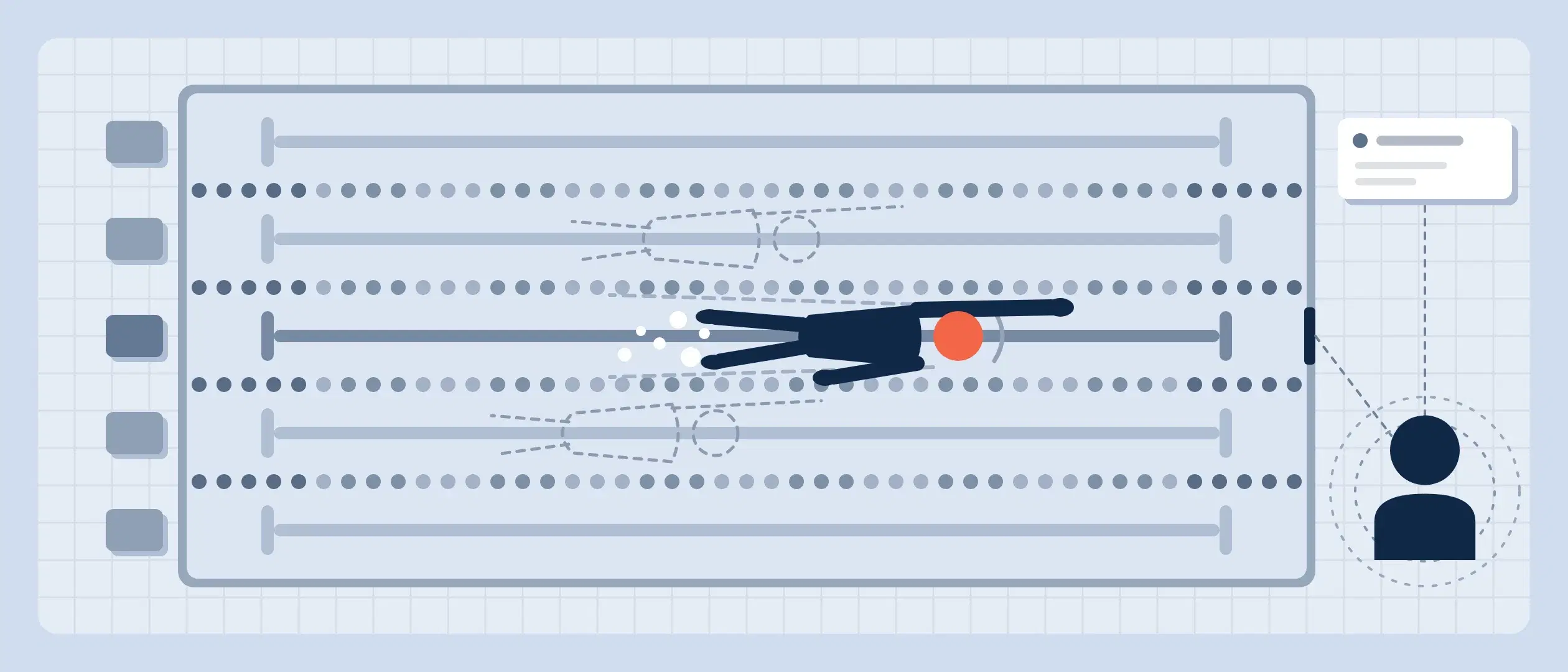
A swimmer spends much of their time serving the team. But imagine a meet where the team is behind and morale is sagging. Suddenly one swimmer pours on the speed, posts a record time and lifts the entire team to perform beyond themselves. In that moment, they switched from servant to leader — and then back again.
That is the skill. Part of your alertness as a seller is knowing exactly when to switch: from servant to leader, from listener to speaker, and back.
A worked example: recognising buyer readiness
Imagine you sell a high-performance database. A lead comes in from a company looking for something faster and more reliable.
Step 1 — Serve and listen. In your first conversation, you learn they are evaluating several vendors, including you. You ask about their pain points and discover:
- slow retrieval times and delays across the business — affecting sales, customer service and inventory;
- recurring data errors;
- a ten-year-old legacy system that has been patched repeatedly and has not scaled with the company.
Step 2 — Read the signal. The buyer lays all of this out clearly, and it is obvious the company is fed up and wants a fix fast. Normally you might highlight issues they have missed. Here, your alertness tells you they already understand their problem fully — further "illumination" would waste their time.
Step 3 — Lead. You move straight to the leadership stage. Not doing so at this moment would be a serious mistake: the buyer has opened the door, and you only need to walk through it. You apply your insight into their pain points and your product, and show clearly that your solution solves them.
Step 4 — Switch back to listening. As you present, the buyer will interject — and you must let them. Many deals are lost because a seller "just didn't listen to me." Suppose she says: "Your competitor says lab tests prove they're faster than you."
Step 5 — Lead again, respectfully. Without attacking the competitor, you explain that lab tests reflect ideal conditions, that your customer references confirm better real-world performance, and that they are welcome to run a side-by-side test — you are confident of the outcome.
Throughout, you are switching between servant and leader, listener and speaker, at exactly the right moments. That is the skill to master and keep sharpening.
Some people talk so much they don’t even take a breath or allow the customer to intervene. They just machine-gun out their feature sets.
— Nikolaus Kimla, "When Selling, Don’t Be an Overtalker" 2019
What does sales competence really mean?
All of these skills combine into competence in your craft. Of them, the most important are:
- knowing when to serve and when to lead, and
- knowing when to listen and when to talk.
Technical skills matter — but less than these.
A real story: competence beats a bad start
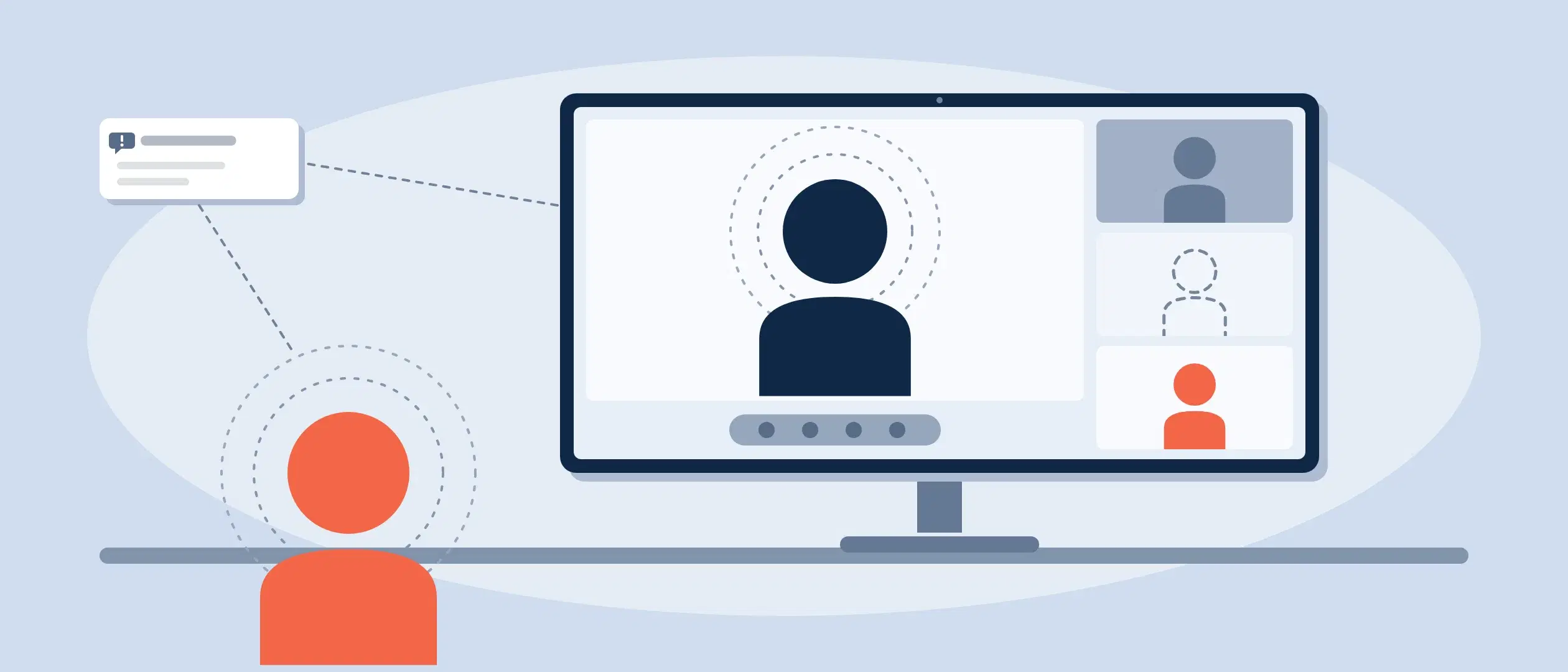
I once needed an investment attorney and set up an online meeting with him, together with another officer of my company. It went badly from the start. He forgot the appointment; we found him in his office 45 minutes late. He apologised — and then could not get the video meeting working. After fifteen minutes we gave up and connected by mobile phone.
By then we were thoroughly irritated. But he took our issues one by one and demonstrated such knowledge and competence that by the end of the call we had forgotten everything that went wrong at the start.
Don't neglect your tools. But understand that being a truly competent salesperson will always win in the end.
How AI supports better timing
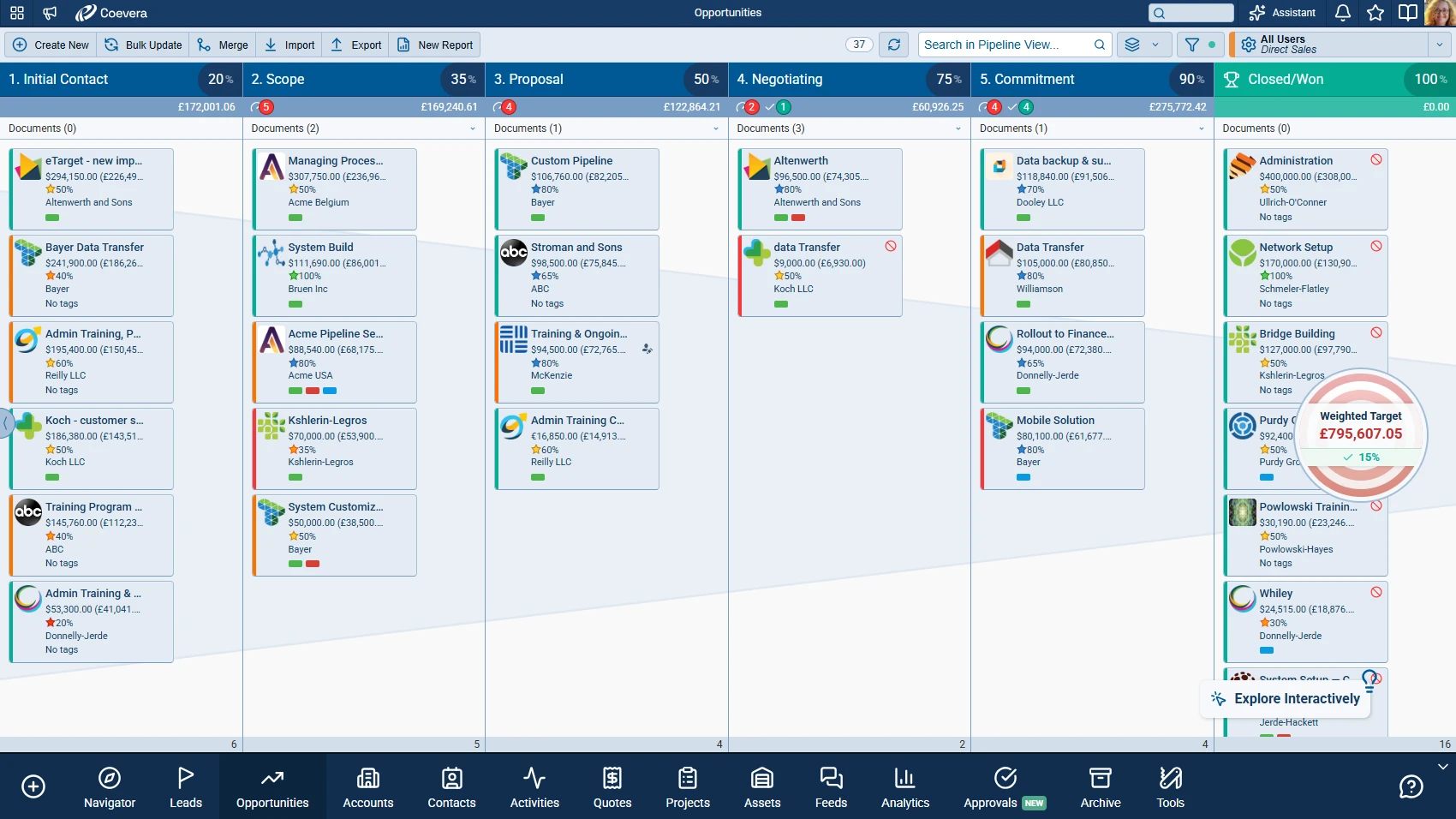
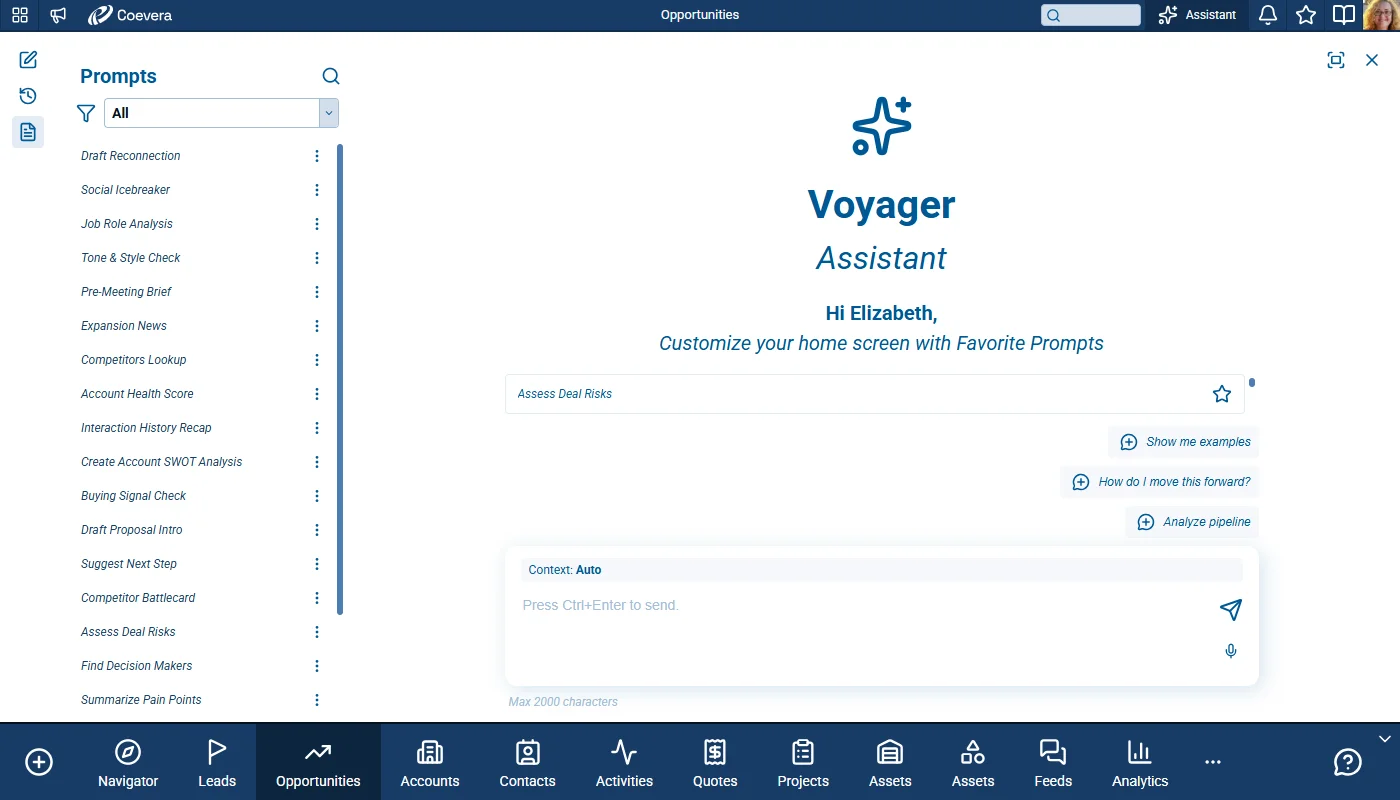
Knowing when to switch roles depends on context: what has been discussed, what the buyer has already said, which concerns are open. Coevera's AI helps capture and surface that context across the sales cycle, so every conversation starts where the last one ended.
Self-assessment
Think of a recent sale. On a scale of 1 ("not very well") to 5 ("completely smoothly"), how skilfully did you switch between serving (listening) and leading (talking)?
Part 5 of the series "Cutting Through the Water — Becoming a Champion Salesperson" by Nikolaus Kimla. Previous: Part 1 – the image problem, Part 2 – born or made?, Part 3 – sales alertness, Part 4 – servant and leader. Next: Part 6 – the salespreneur.
Walk into every conversation with full context. See how Coevera supports your sales cycle at www.coevera.com.