By
Short answer: A modern B2B salesperson is both a servant and a leader. As a servant, you listen deeply, ask the right questions and solve the buyer's problem. As a leader, you guide the buyer to see pain points they had not fully recognised and show them, with authority, how your solution resolves them. Doing only one of the two loses deals.
Which is it — servant or leader?
The question comes up often in sales training. The honest answer is: both. Let's look at each side.
The salesperson as servant
A competitive swimmer serves their coach, their team and their supporters. A champion listens intently to the coach, plays their full role in the team, and does everything possible to deliver the result supporters expect.
A salesperson serves too — and any rep who does not understand this is missing half the job. The buyer brings specific issues and requirements. The better you solve them, the more likely the close. And continuing to help after the close makes future business far more likely.
Why is listening so important in sales today?
Historically, listening was not a priority. Reps listened just long enough to qualify the prospect, then launched into the pitch. In an era of insight selling, that no longer works.
Unless you evolve listening to a fine art, you aren’t going to be able to truly fulfill your part as a servant.
— Nikolaus Kimla, "Is a Salesperson a Servant? A Leader? Or Both?" 2015
Effective listening means:
- Staying alert to pain-point clues throughout the conversation.
- Adapting to the person. Some buyers volunteer everything; others are guarded and need to be drawn out.
- Asking the right questions. Build your questions around what you need to learn, refine them over time to be sharper and more probing — and know when to ask and when to simply let the buyer talk.
What skills does remote selling require?
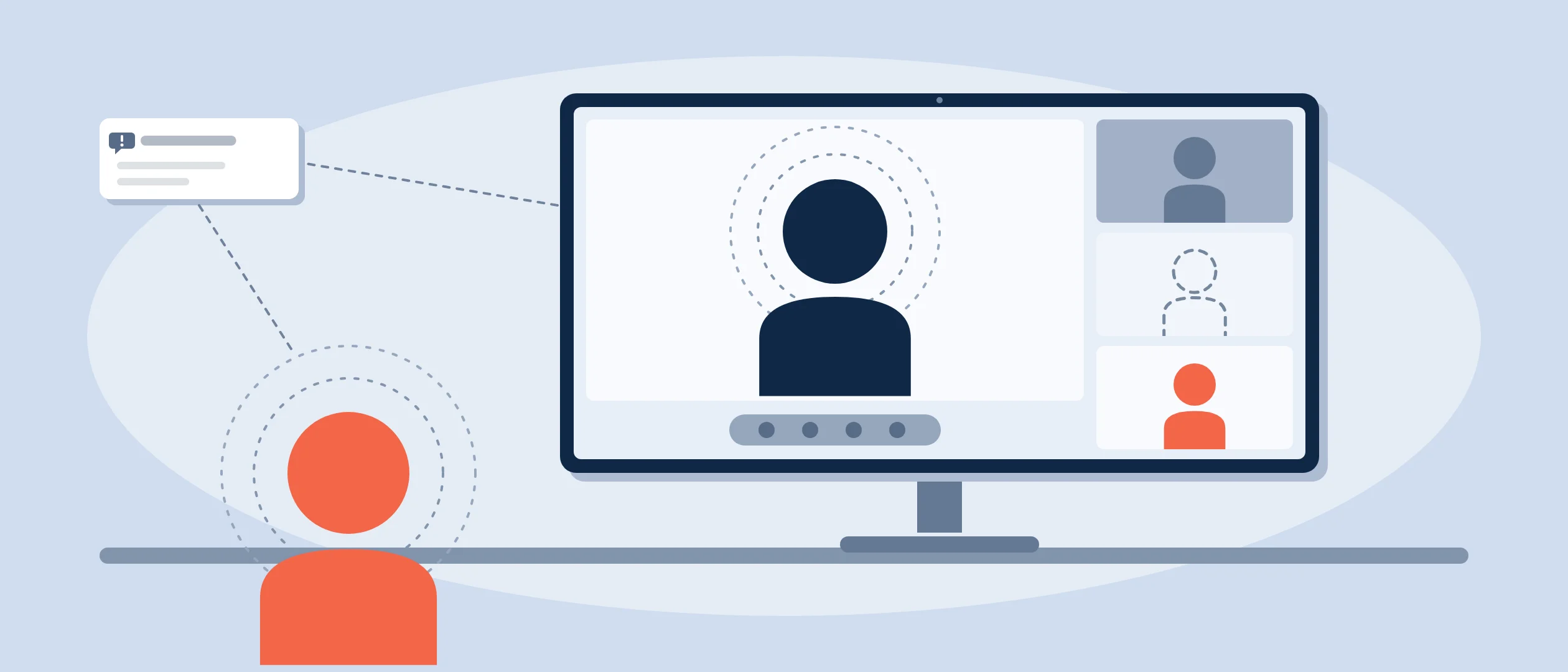
Selling used to happen face to face — at offices, lunches, dinners and trade shows — where you could read body language and attention. Today many B2B meetings happen over video platforms such as Zoom, Microsoft Teams or Google Meet. That adds two new demands:
- Technical fluency. Know your tools well. Every minute spent fixing audio, screen-sharing or links drains the buyer's interest.
- Heightened alertness. You often cannot see the buyer's surroundings, and sometimes not even their face. You must grab and hold attention and pick up signals from voice and wording — a skill experienced phone sellers already have.
Remote selling has an upside: free from travel and physical distractions, you can stay as tightly focused as a swimmer in their lane.
The salesperson as leader
Despite what some economists have claimed, a salesperson is not only a servant. If buyers had all the answers, they would not need you. Even with sales resistance, they are looking to you for answers — and providing those answers makes you a leader.
The champion swimmer leads too: newer teammates look to them for guidance, and their performance sets the standard.
In sales, leadership shows up in two ways:
- Leading discovery. The right questions help prospects uncover pain points they had not seen clearly, and understand how deeply those issues are affecting their business.
- Leading to the solution. With that insight established, you are perfectly positioned to show exactly how your product solves their particular problems.
Do technical glitches lose deals?
Presentation glitches cost impact, just as a swimmer drifting off line loses seconds. Make your online presentations as smooth as possible. But when something does go wrong, do not give up — laugh it off and carry on. If what you are saying is convincing, that matters most. (Part 5 of this series shares a real example. Part 5)
Where AI helps
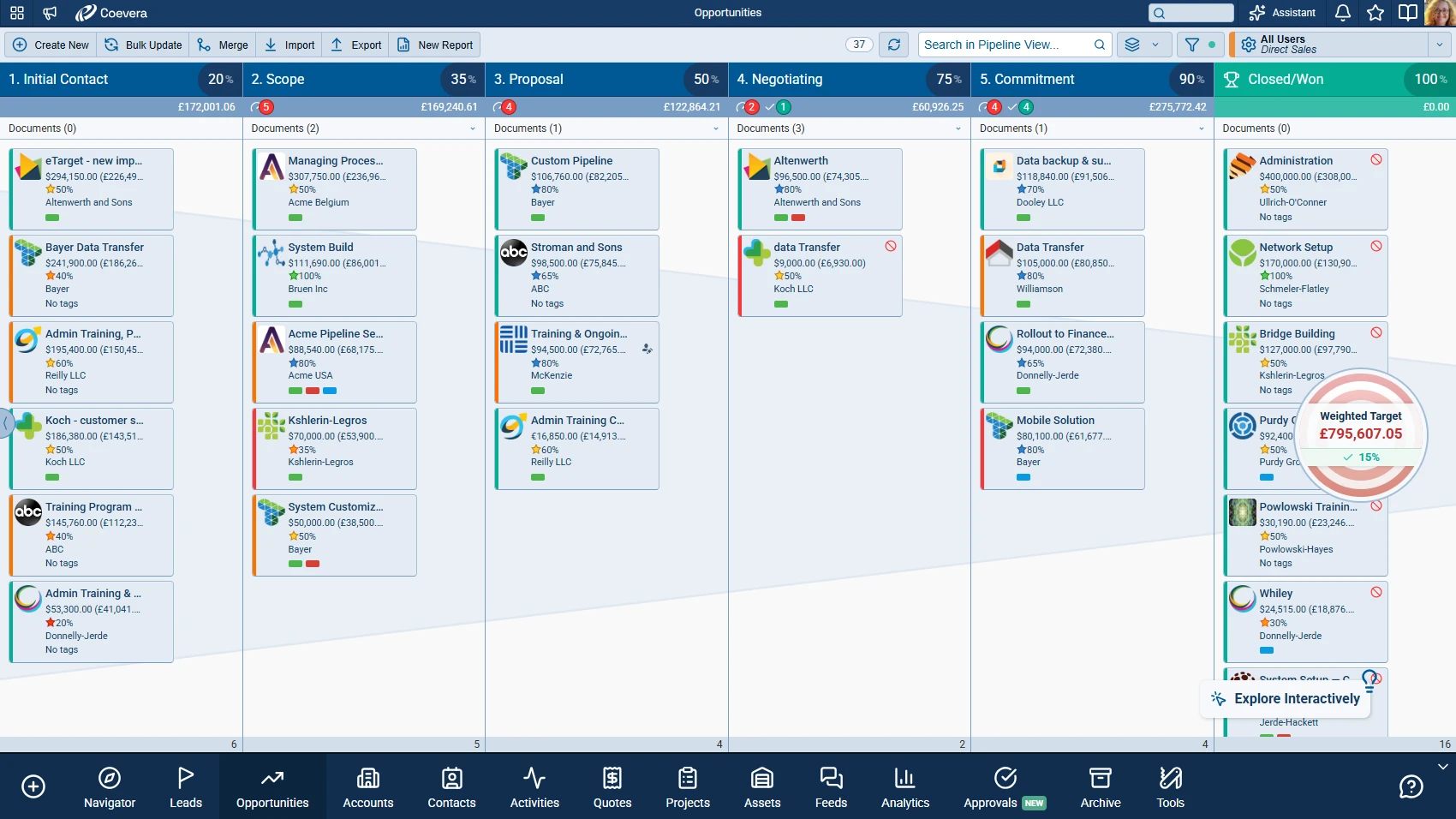
AI can take note-taking, follow-up and data entry off the seller's plate. In Coevera, AI supports qualification and routine work, so the seller can stay fully present in the conversation — listening as a servant and guiding as a leader.

Self-assessment: servant and leader
Rate yourself from 1 to 5:
- How well do you act as a servant to prospects and customers?
- How much improvement do you need as a servant?
- Thinking of a recent sales cycle, how well did you listen to the prospect's issues, desires and needs?
- How much improvement do you need as a listener?
- How well do you normally act as a leader in your sales cycles?
- How well do you lead prospects to fully recognise their pain points?
- How well have you mastered the technical skills needed to sell remotely?
Part 4 of the series "Cutting Through the Water — Becoming a Champion Salesperson" by Nikolaus Kimla. Previous: Part 1 – the image problem, Part 2 – born or made?, Part 3 – sales alertness. Next: Part 5 – switching roles.
Stay present with your buyer. Discover how Coevera's AI-native CRM handles the routine so you can focus on the customer at www.coevera.com.