By
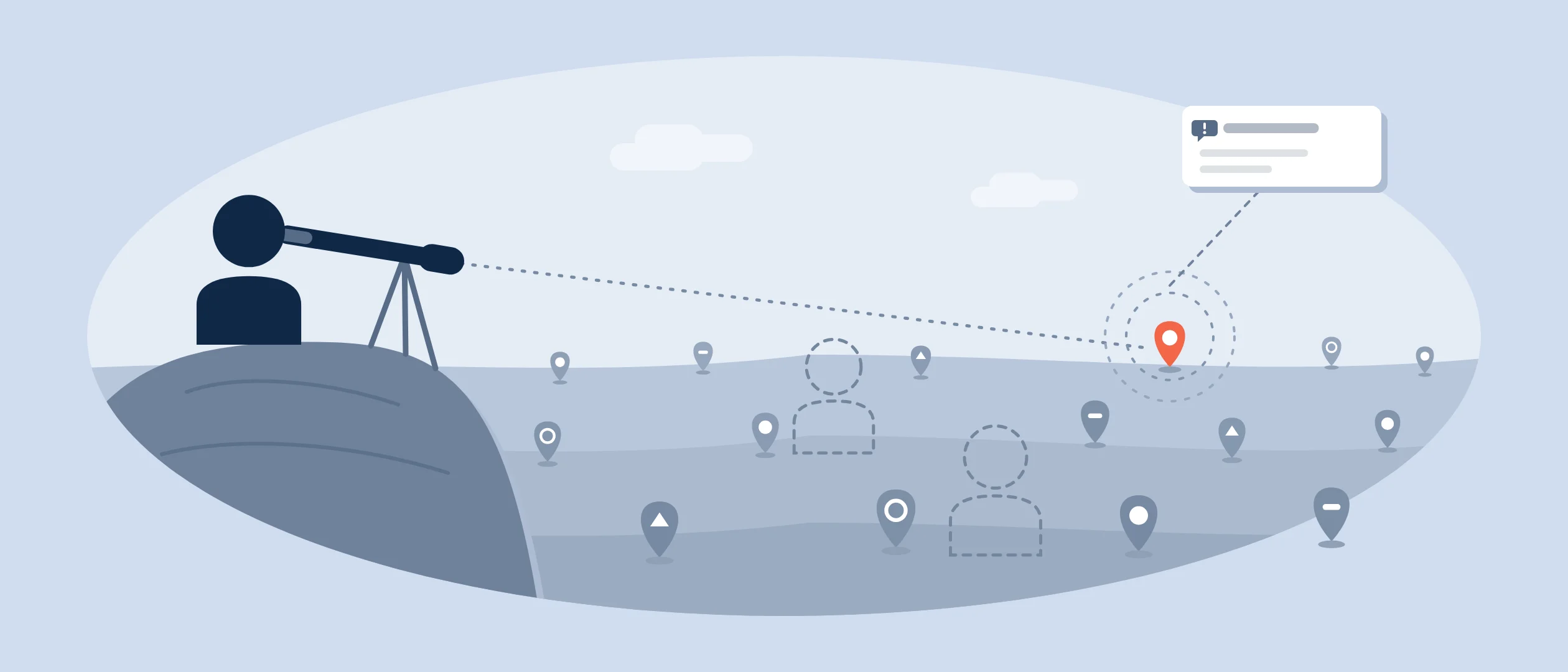
Short answer: Sales alertness is a salesperson's trained awareness of everything happening around a deal — the customer's pain points, how the product solves them, what knowledge needs to flow back to the company, and where the next opportunity lies. The concept comes from economist Israel Kirzner's idea of "entrepreneurial alertness": the ability to notice opportunities others overlook. It is the core skill that separates champion sellers from average ones.
What a swimmer sees underwater
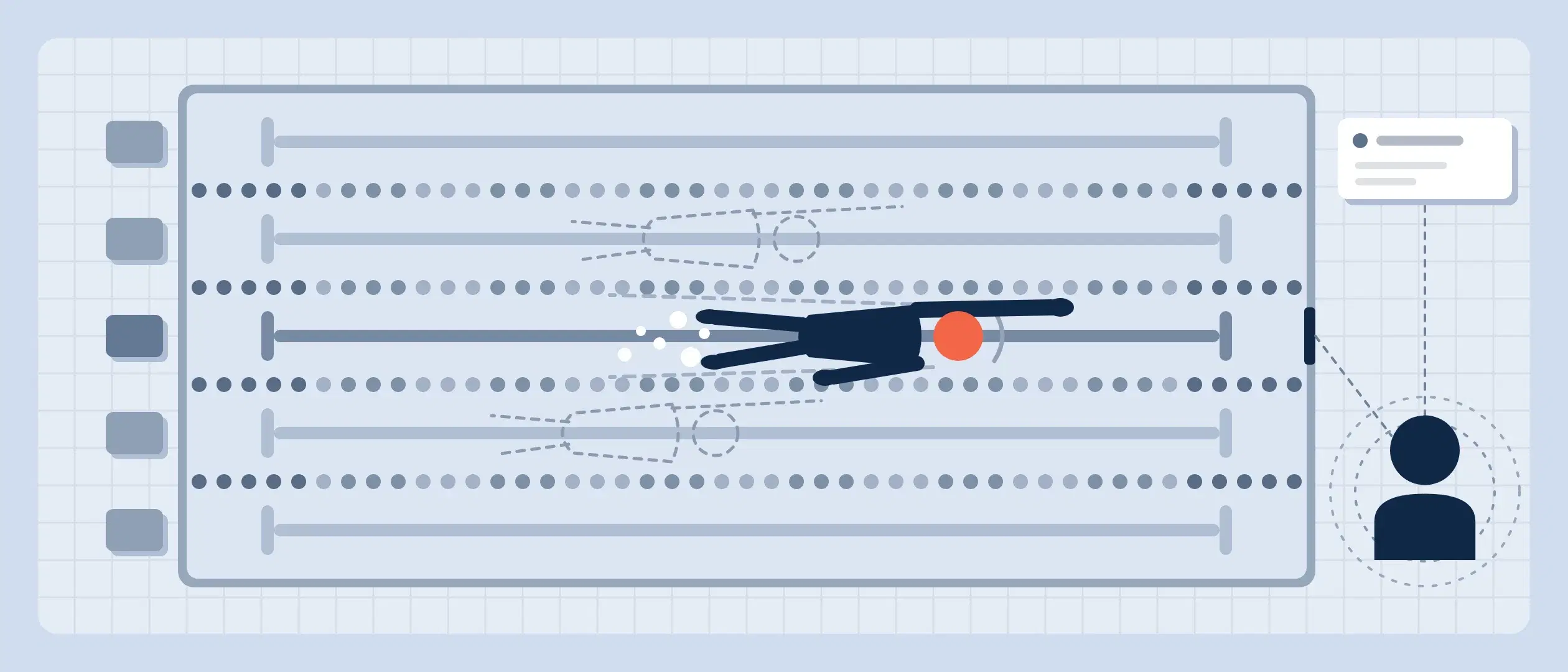
A champion swimmer has their head in the water much of the time, yet cannot afford to be any less alert than a runner on a track. They track their position in the lane, the distance to the wall for a clean turn, and where competitors are — and when to accelerate past them. For a champion, all of this becomes second nature.
A salesperson needs the same awareness of the sales environment and every factor in play.
What is "alertness" in sales?
A salesperson is, at heart, an entrepreneur — a salespreneur. The defining trait of entrepreneurs, according to Austrian-school economist Israel Kirzner, is "alertness": a sharp awareness of new opportunities and advantages. That is exactly the salesperson's stock in trade. The more natural this alertness becomes, the more successful the seller.
A salesperson has many entrepreneurial qualities. Like an entrepreneur, a salesperson is alert for possibilities that others miss.
— Nikolaus Kimla, "The Salespreneur," 2015
There are four areas where alertness matters most.
1. How do you identify customer pain points?
Pain points are the issues, frustrations and complaints that caused the prospect to look for a solution in the first place. The whole sale rests on finding them and demonstrating how you resolve them.
Good practice:
- Listen for them in every channel — calls, email, social media.
- Record them in your CRM as part of your sales process, not just in your head.
- Know the industry-wide pain points, but never assume a prospect has the same ones. Buyers dislike being generalised — this was a common mistake in older sales approaches.
2. How do you connect your product to those pain points?
Product familiarity is no longer enough; you need to be an expert who can map benefits to specific problems.
Example: you sell a database that makes migration from legacy systems unusually easy. A prospect describes the painful experience of their last data migration. An alert seller immediately connects that pain to your strength — and has a customer story, quote or testimonial ready to prove it.
3. Why does knowledge transfer matter in sales?
Knowledge flows in two directions:
- To the buyer. The prospect does not know specifically how your product will help them — otherwise they would not need you. Confidently answering their questions and demonstrating benefits is a transfer of knowledge, and, in my experience, it directly drives the chance of a sale.
- To your company. What you learn every day from prospects and customers is live market research. Share it with Marketing so campaigns and content can support you, and with Product Development so future releases include what buyers actually want. The better you share, the easier your own job becomes.
4. How do you recognise future sales opportunities?
Alertness extends beyond the current deal:
- Referrals. Customers often mention peers who have the same problem.
- Social listening. On social media, you may spot non-customers voicing exactly the pain your product solves.
- Undecided competitive deals. A company that has tentatively chosen a competitor is still an opportunity to show a better option.
- New markets. Industry news and customer conversations may reveal markets where your product fits. Prospect them — and bring Marketing in to build materials.
- Existing customers. Close relationships reveal when a customer needs another product, or how you could serve them better with what they already have. Existing customers are often more profitable than new ones, and satisfied ones become your references and advocates.
How AI strengthens sales alertness
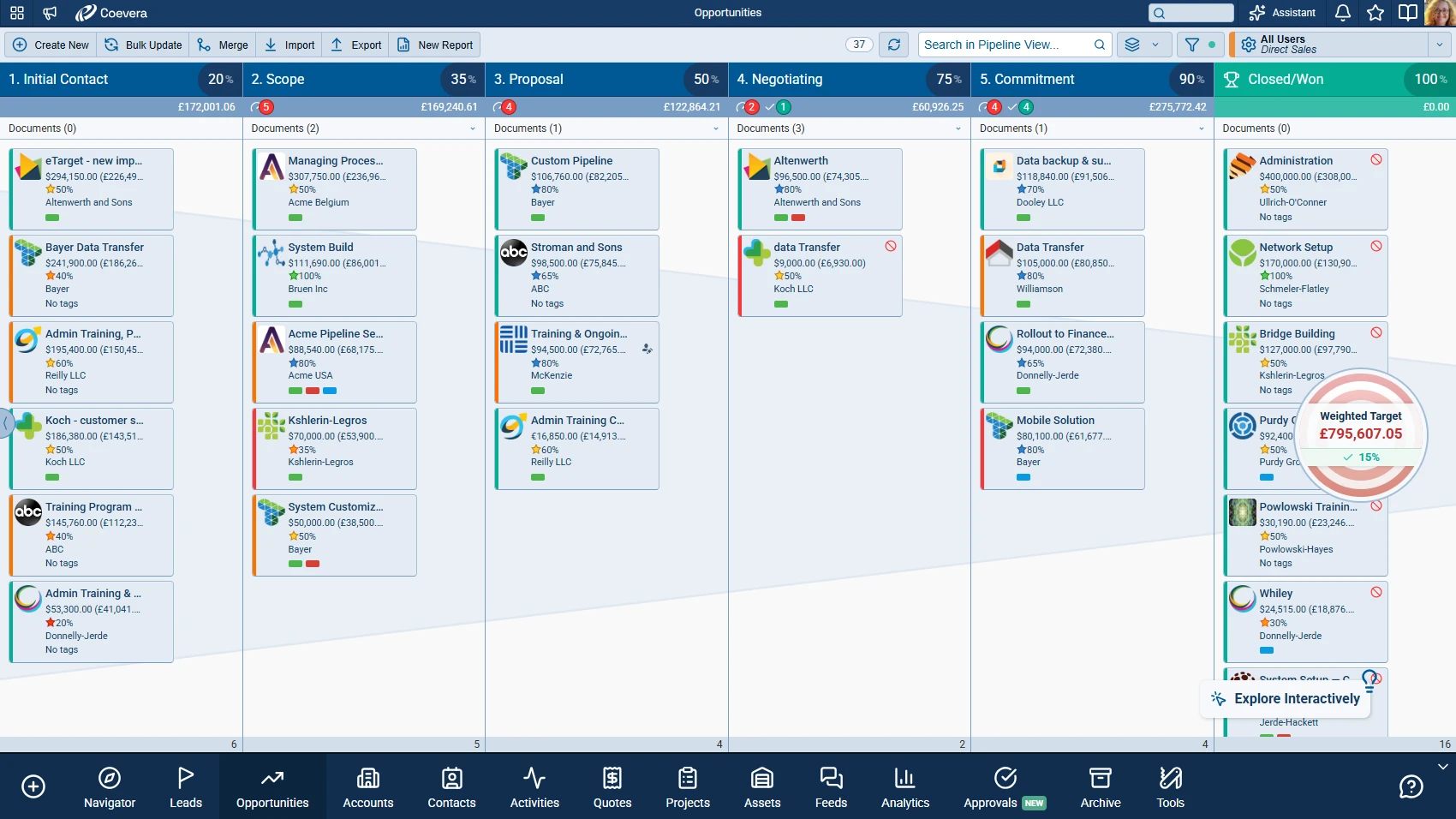
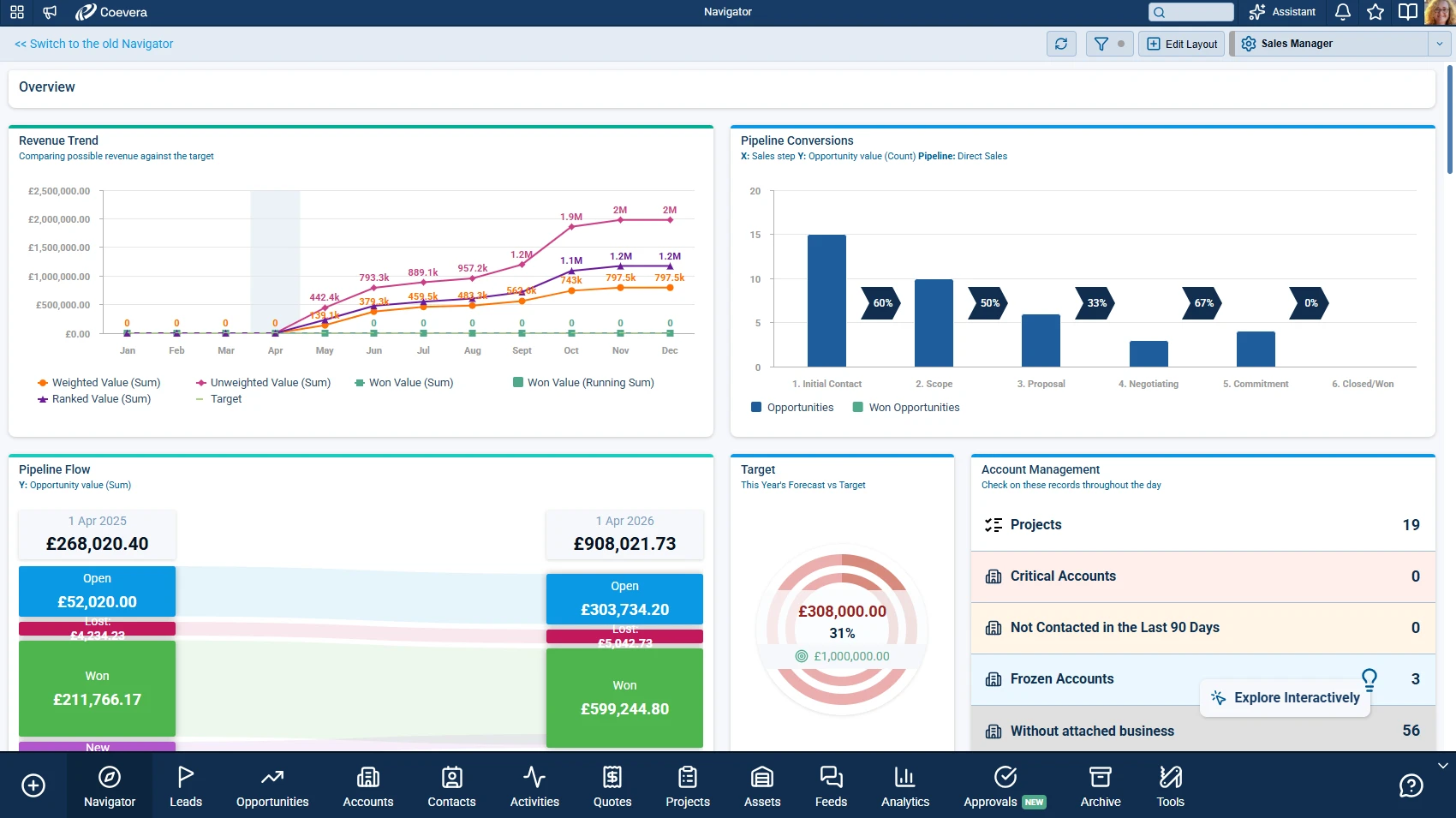
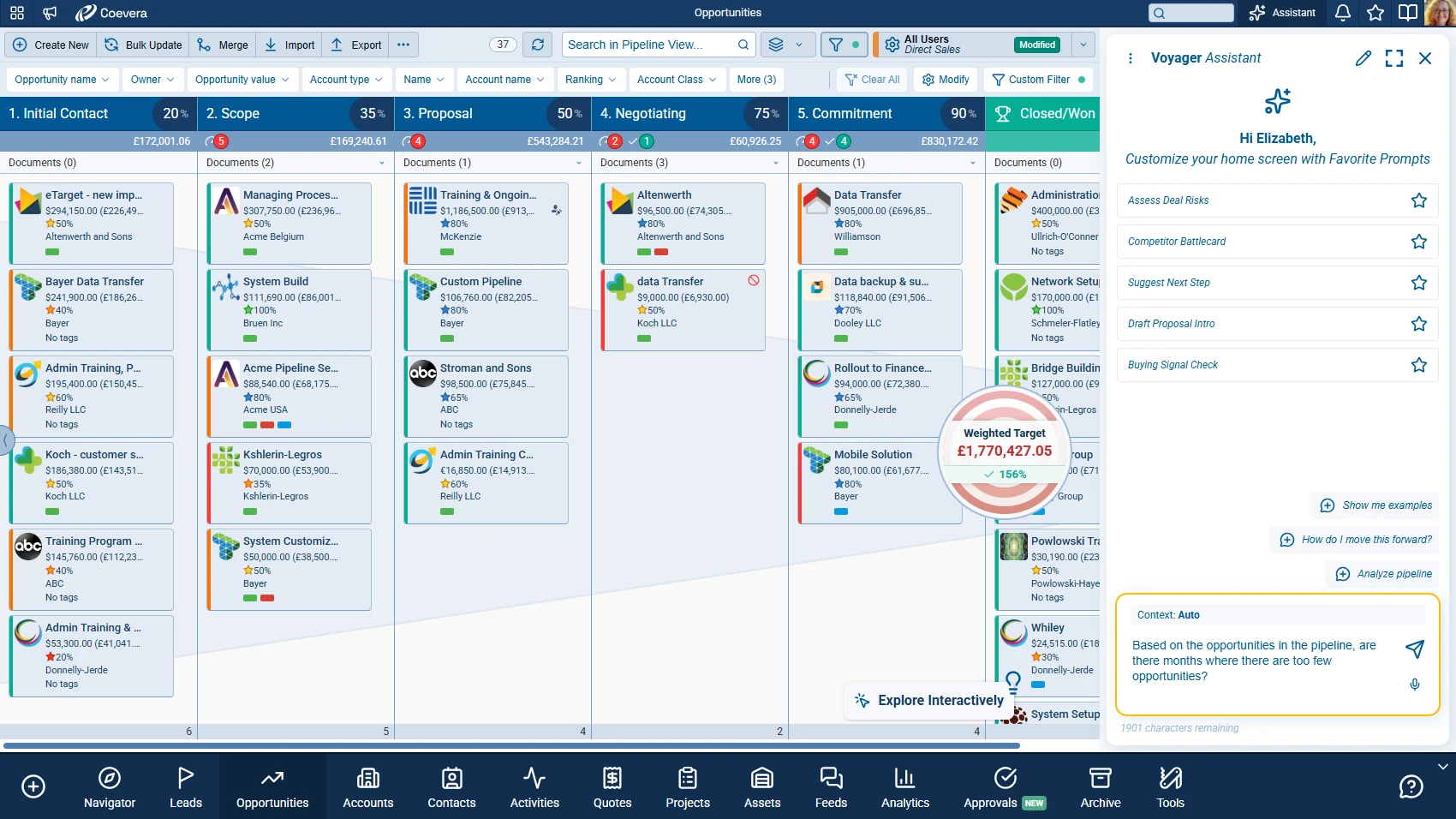
Alertness is a human skill, but it scales with the right tools. In Coevera, AI helps surface pain points from customer interactions and qualify opportunities, so sellers see patterns sooner and spend their attention where it counts — on the customer.
Self-assessment: rate your alertness
Rate yourself from 1 (weak) to 5 (strong) on:
- Identifying prospect/customer pain points
- Relating your product to those pain points
- Transferring knowledge (to buyers and back to your company)
- Recognising future opportunities:
- during conversations with prospects and customers
- among prospects who have tentatively chosen a competitor
- in alternative markets
- for additional products to current customers
- for improved service to current customers
Part 3 of the series "Cutting Through the Water — Becoming a Champion Salesperson" by Nikolaus Kimla. Previous: Part 1 – the image problem, Part 2 – born or made?. Next: Part 4 – servant and leader.
See every opportunity in your pipeline. Learn how Coevera helps sellers stay alert at www.coevera.com.