By
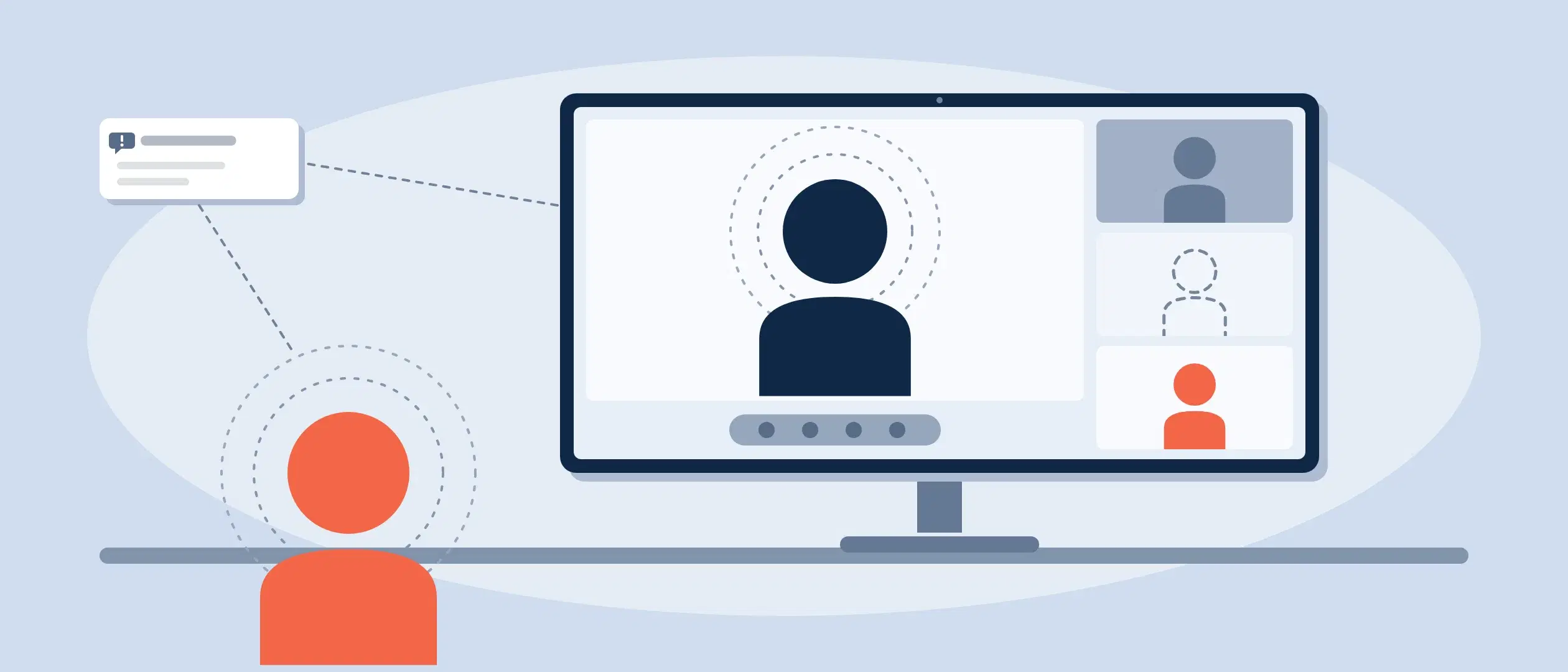
Definition: A salespreneur is a salesperson who thinks and acts like an entrepreneur. Rather than focusing only on their own quota, a salespreneur sees themselves as the company's most visible ambassador, sells by genuinely solving customer problems ("if you're helping, you're selling"), brings field intelligence back into the company, and actively creates new opportunities — new leads, new markets and better service for existing customers.
Salesperson vs. salespreneur: what's the difference?
Salespeople already share many qualities with entrepreneurs. They are alert to possibilities others miss, they are ingenious in seizing them, and many prefer to be responsible for their own income rather than a fixed salary.
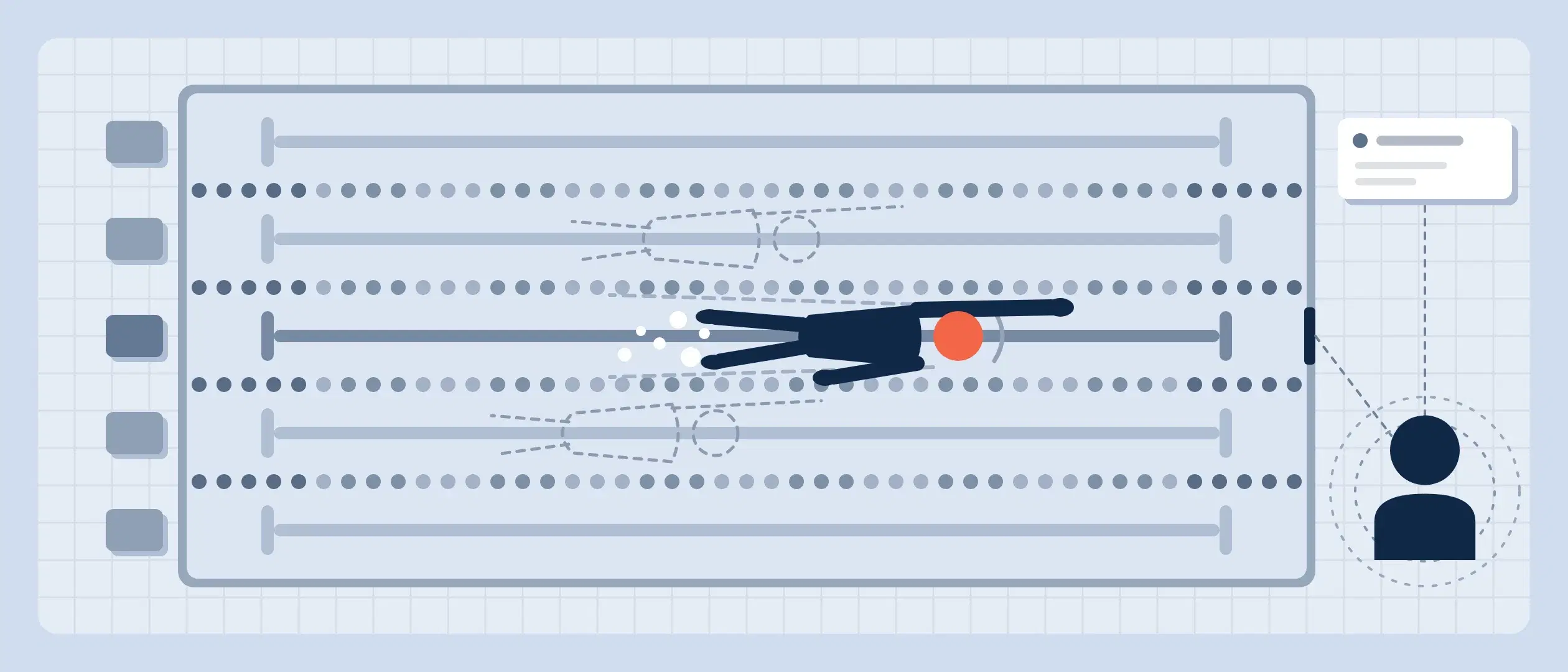
But there is a difference — the same difference as between someone who swims well and a champion swimmer. Beyond training, it lies in dedication, focus, willingness to take risk and responsibility.
| Typical salesperson | Salespreneur | |
|---|---|---|
| Focus | Own deals and department | The whole company and the customer's business |
| Role | Seller of products | Ambassador for the company and its offerings |
| Motivation | Close the deal, earn commission | Help the customer; the close follows |
| Field feedback | Shared informally, if at all | Systematically brought to the right people |
| Leads | "Marketing's job" | Actively created, including from the customer base |
| New markets | Ignored | Spotted, proposed, even piloted |
This is not a criticism of the typical sales rep — most salespeople are in that column, which is why it is "typical." The aim is to raise the bar: more deals closed, more standing inside the company and a bigger contribution to its overall success.
Why field intelligence is a salespreneur's superpower
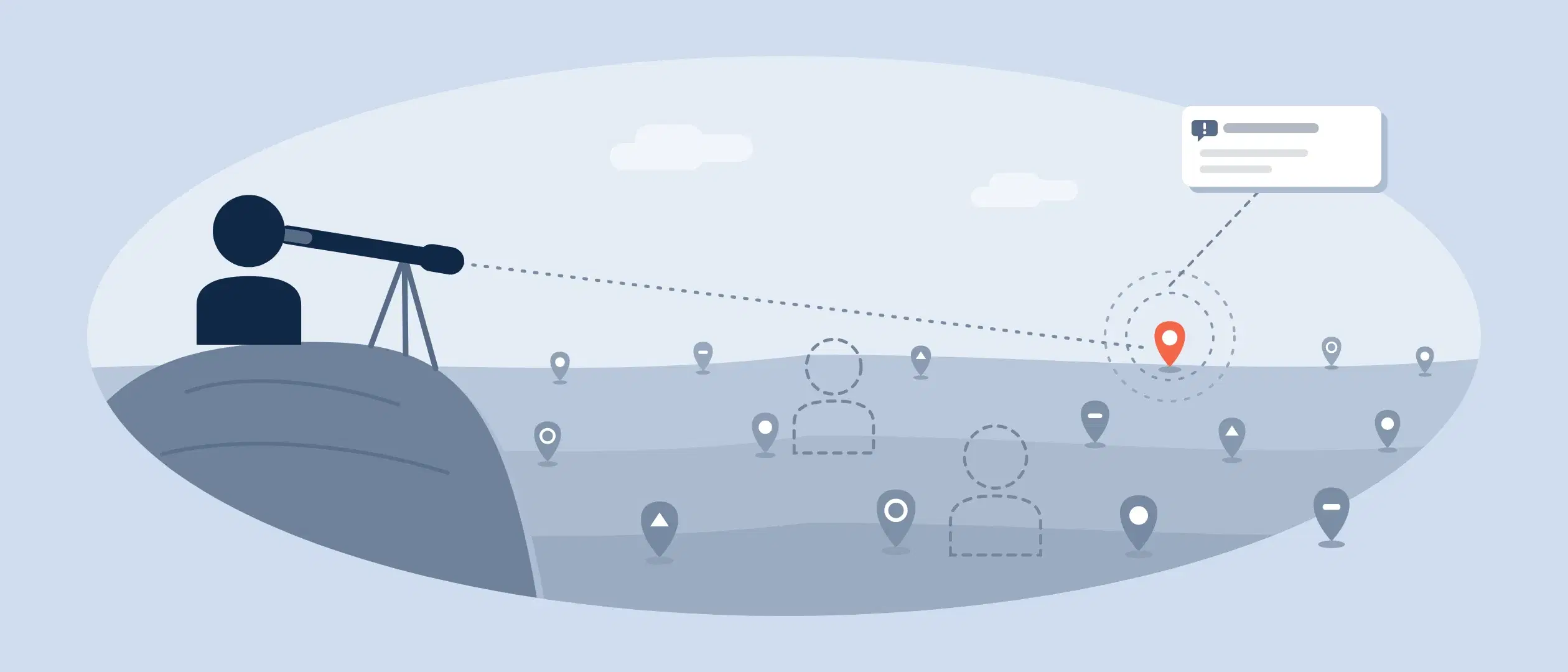
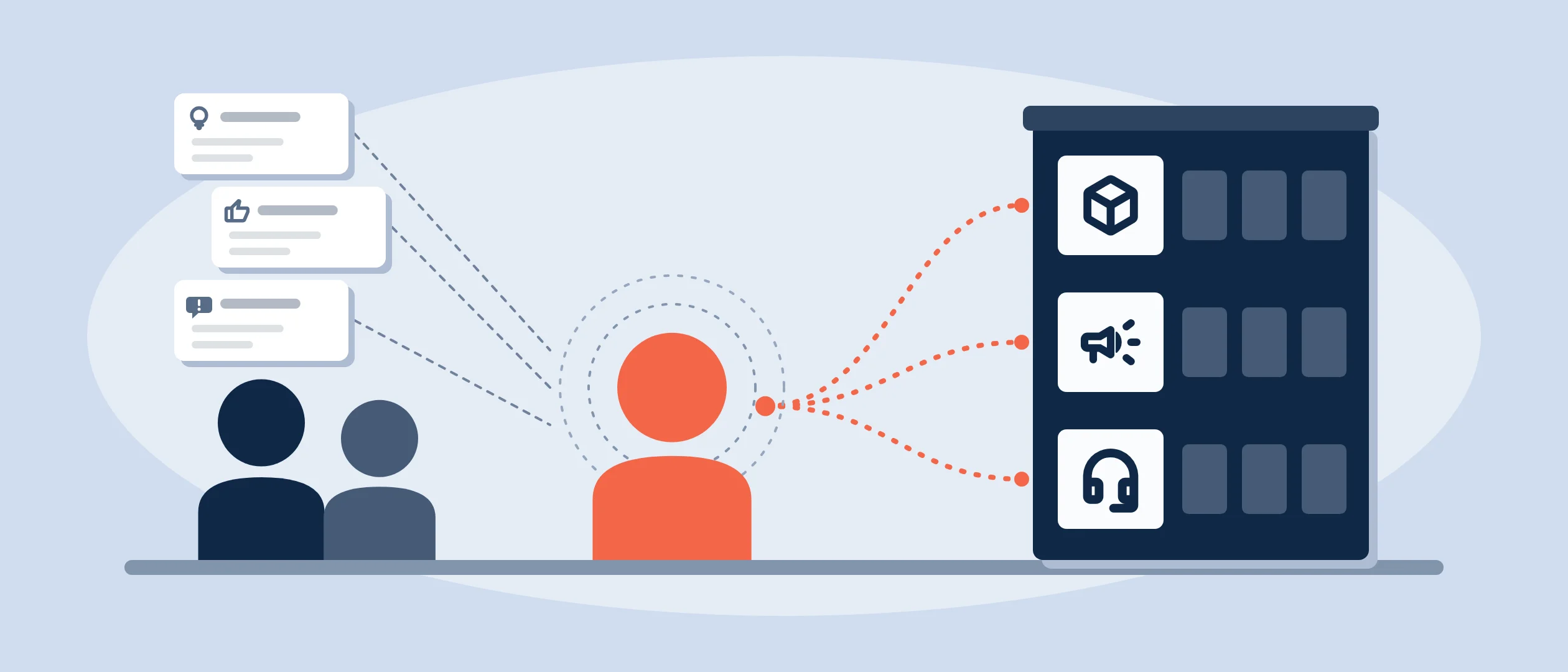
Salespeople hear everything from the market: praise and complaints about products and service, ideas for improvements, hints of new markets and intelligence on competitors' offerings and strategies.
The average rep shares this over drinks after work — "If only they'd add a lower-cost extended contract…", "Our service is getting a bad reputation…", "That new release missed the mark…". Then nothing happens.
A salespreneur captures it and routes it to the people who can act:
- Product ideas → Product Management
- Features customers love that Marketing isn't promoting → Marketing leadership
- Service complaints → Customer Service leadership
- Competitor intelligence → the wider company
How salespreneurs approach opportunities
Where a typical rep waits for leads, a salespreneur listens for companies with the problems their company solves, prospects on social media starting from their own customer base — word of mouth is the strongest type of lead — and keeps the leads they generate. When colleagues see it working, they follow, and overall sales rise.
They also look beyond single deals: a new market may be worth a proposal to pilot it. And they keep asking how existing customers could be served better or could benefit from more of the company's offering.
To sum up, a salespreneur is constantly on the watch for previously unseen possibilities—in all areas.
— Nikolaus Kimla, "The Salespreneur," 2015
Nobody else in the company is in front of prospects and customers every day. Nobody has a finger on the pulse of the industry like the sales force. Imagine a company in which every seller worked this way. Welcome to the age of the salespreneur.
How do you become a salespreneur? A 6-step path
- Always be learning. The biggest barrier is believing you "know enough already." The world's best salespeople never stop learning.
- Become a total expert on your product. Know every detail and every way it solves customer problems.
- Become a total expert on your competition. Study them like an athlete studies race footage. "Keep your friends close and your enemies closer" — and adopt their good ideas.
- Become a total expert on your customers. Know your industry and its trends, and each individual prospect and customer, through research and perceptive questioning.
- Apply all of your expertise, continuously. Success isn't one thing; it's many things done consistently over time.
- Raise your awareness of opportunities. It is an ability you already have — apply it on a broader scale.
Wherever you are between salesperson and salespreneur, you are already on the way. Anyone can get there by applying themselves.
The AI-era salespreneur
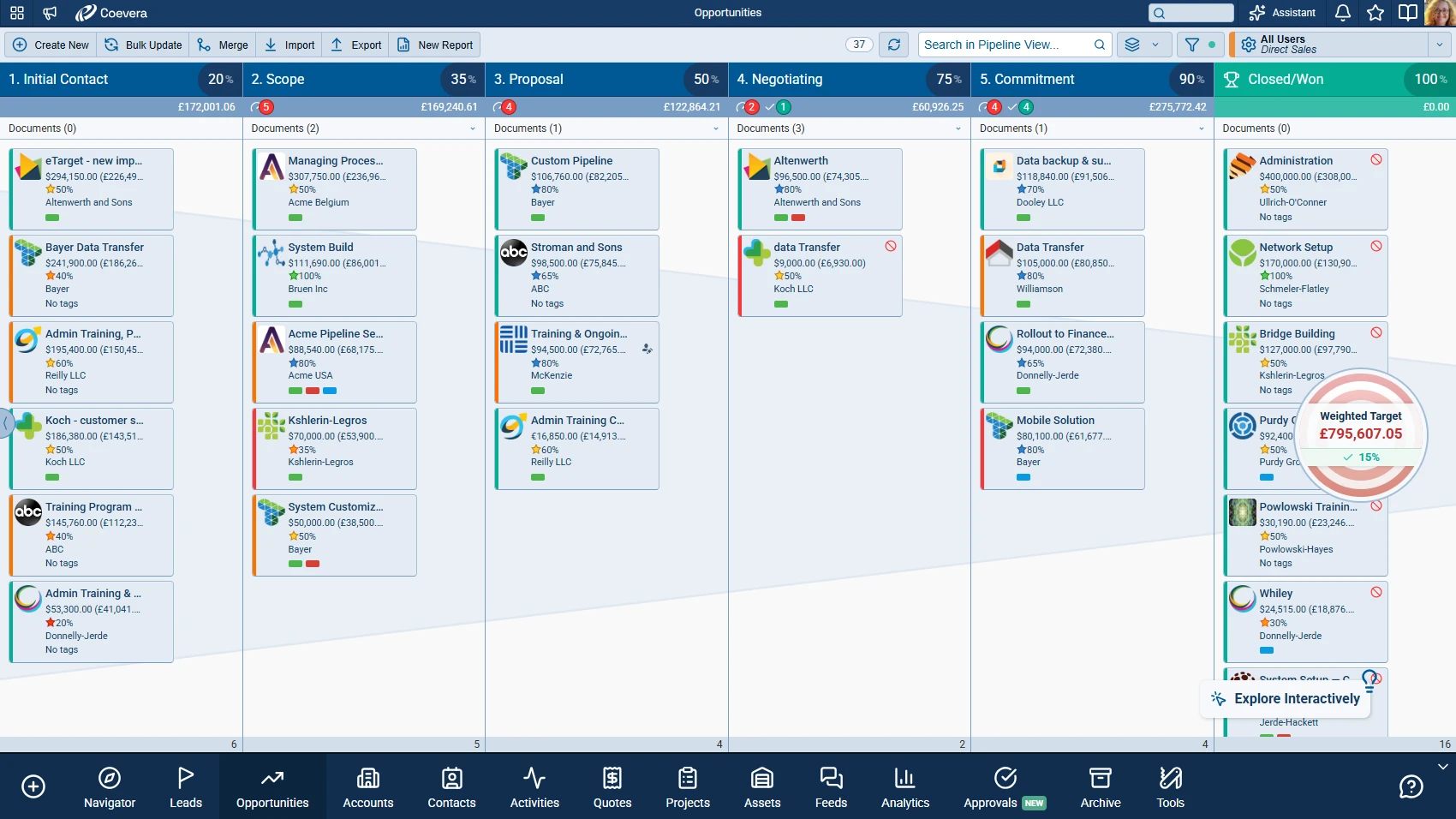
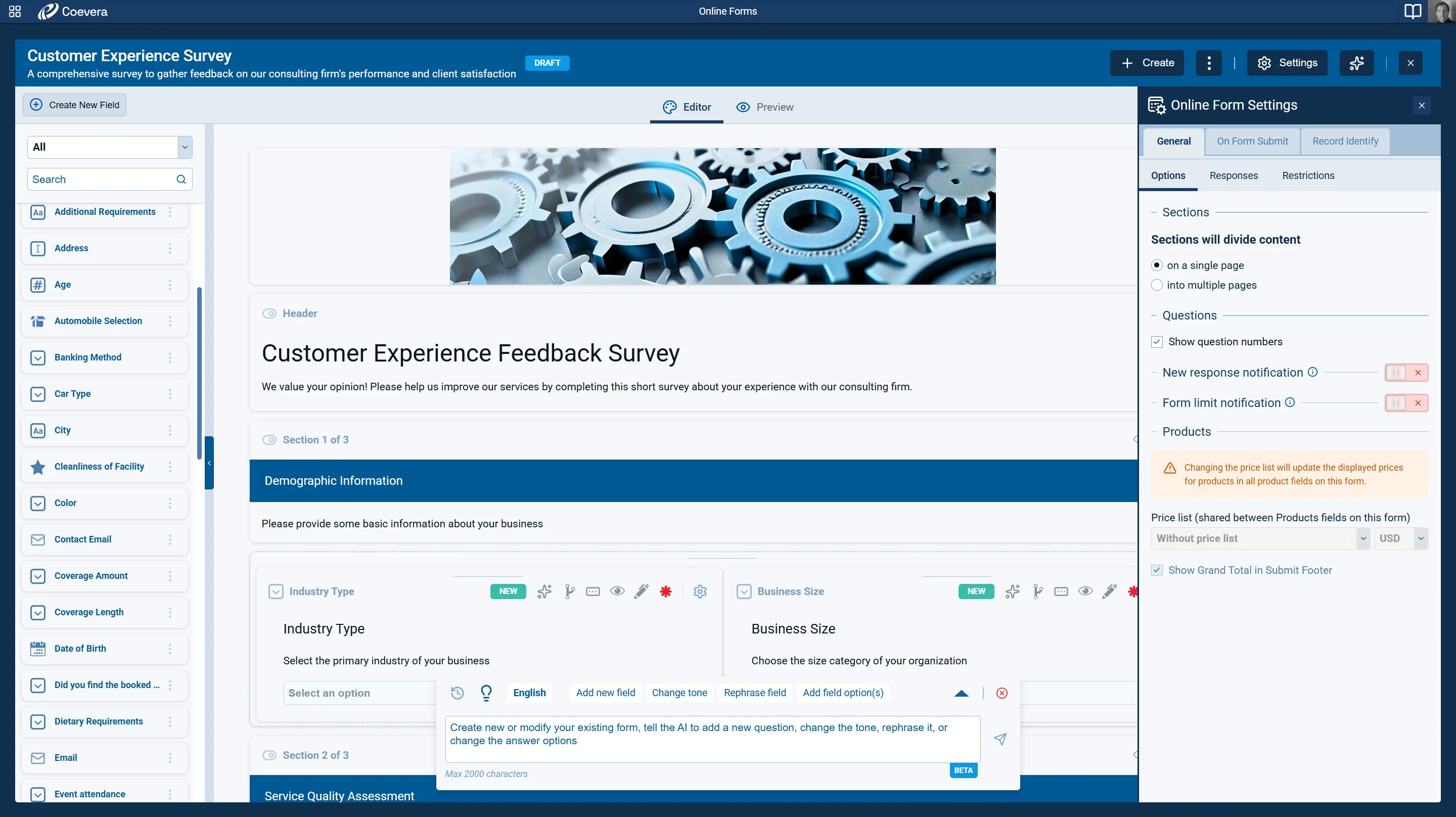
AI makes the salespreneur model more achievable than ever. Coevera embeds AI throughout the sales process — surfacing pain points, qualifying opportunities and automating routine work — so sellers can devote their energy to what only humans do best: serving and leading the customer, and thinking like an owner.
Self-assessment: how much of a salespreneur are you?
Rate yourself from 1 to 5:
- Willingness to learn ("I know enough" → "always open to learn")
- Product and/or service knowledge
- Knowledge of competitors' products and services
- Knowledge of your industry
- Knowledge of individual prospects, customers and their issues
- Opportunity awareness: new sales opportunities, new markets, new products or services for existing customers, better ways to serve existing customers
Combine these with your scores from Parts 2–5 for a full picture of your development path.
Part 6 of the series "Cutting Through the Water — Becoming a Champion Salesperson" by Nikolaus Kimla. Start from the beginning: Part 1 – the image problem, then Part 2 – born or made?, Part 3 – sales alertness, Part 4 – servant and leader, Part 5 – switching roles.
Built for salespreneurs. Discover Coevera, the AI-native CRM for B2B sales teams, at www.coevera.com.