Every so often, a single conversation captures a turning point. For me, one of those came in a recent episode of the All-In Podcast. In the space of two weeks, the hosts walked through a wave of new AI models — many of them open-weight, freely downloadable and capable of running on an ordinary computer. One chart they discussed, from Vercel’s AI Gateway, showed the share of tokens moving from mostly closed, proprietary models to mostly open models in roughly twelve weeks. Whether the exact numbers hold or not, the direction is unmistakable.
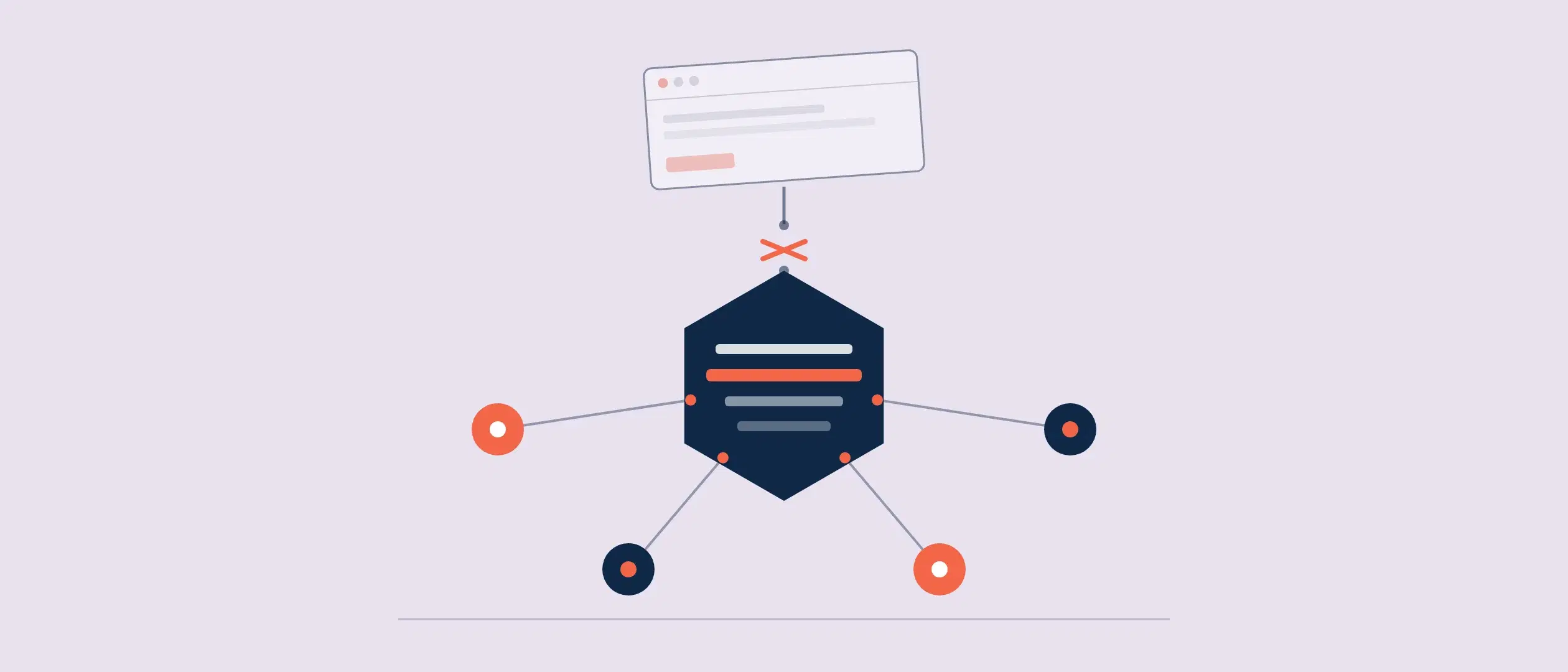
Their conclusion was even more interesting than the data. As one of the hosts put it, the leading models are converging. The difference between them is shrinking. The real value is moving to what sits around the model: the tools, the data, the workflow, the permissions and the interface. The industry has started calling this the “harness”.
When I heard this, I did not feel threatened. I felt confirmed. Because Coevera has been built on open ground for years, long before this wave arrived.
The model is becoming a commodity
For the last few years, much of the AI conversation has been about which model is the smartest. That question is losing its importance. When a free model on a laptop delivers what was frontier performance a year ago, intelligence itself becomes a raw material — abundant, affordable and interchangeable.
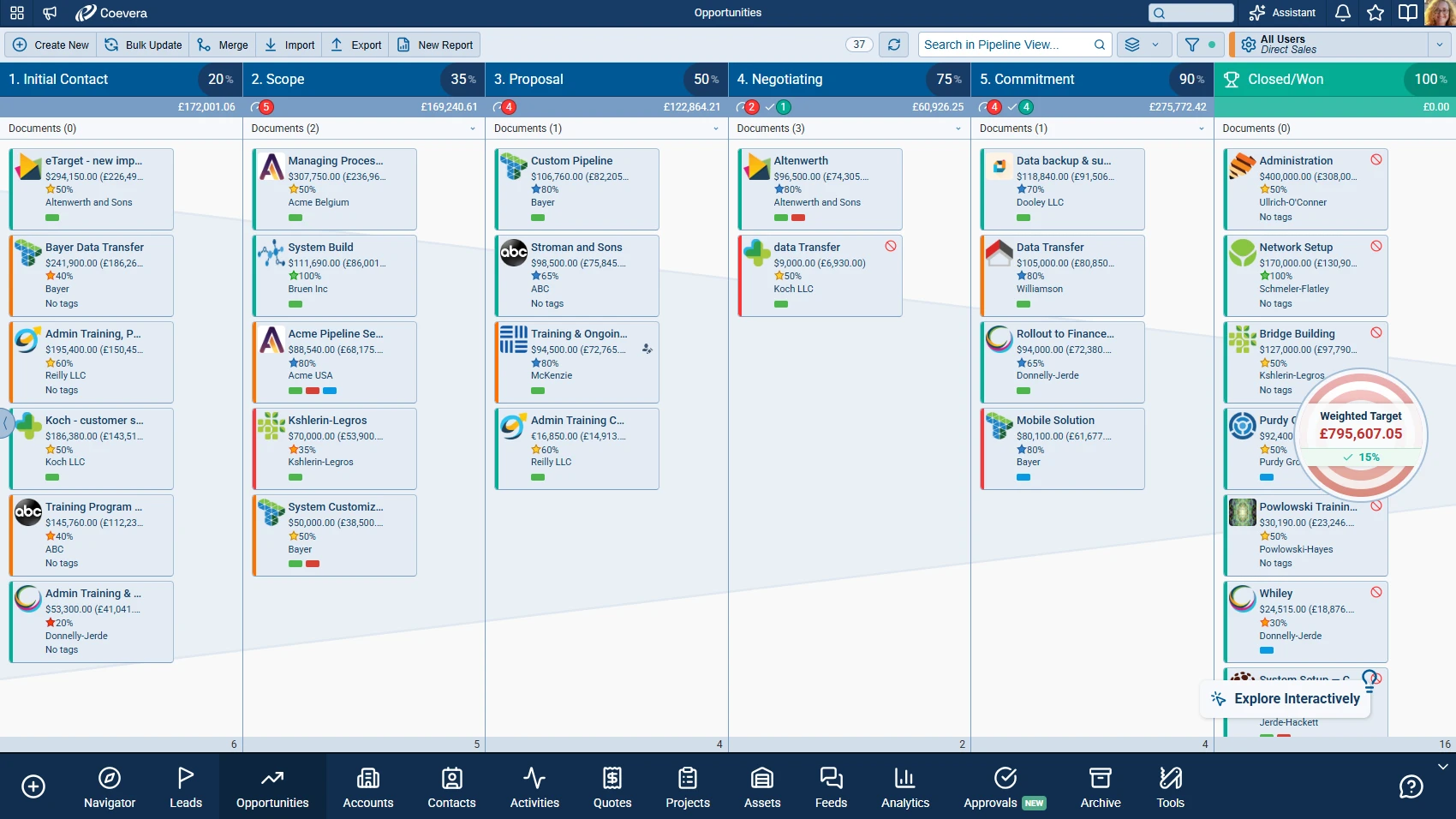
That changes the question every business leader should ask. It is no longer “Which AI do we use?” It is “Which system makes AI useful, safe and accountable for our people?” For a sales organization, that system is the CRM. It holds the pipeline, the relationships, the process and the knowledge of how a company sells. The CRM is the harness for selling.
We have always stood on open foundations
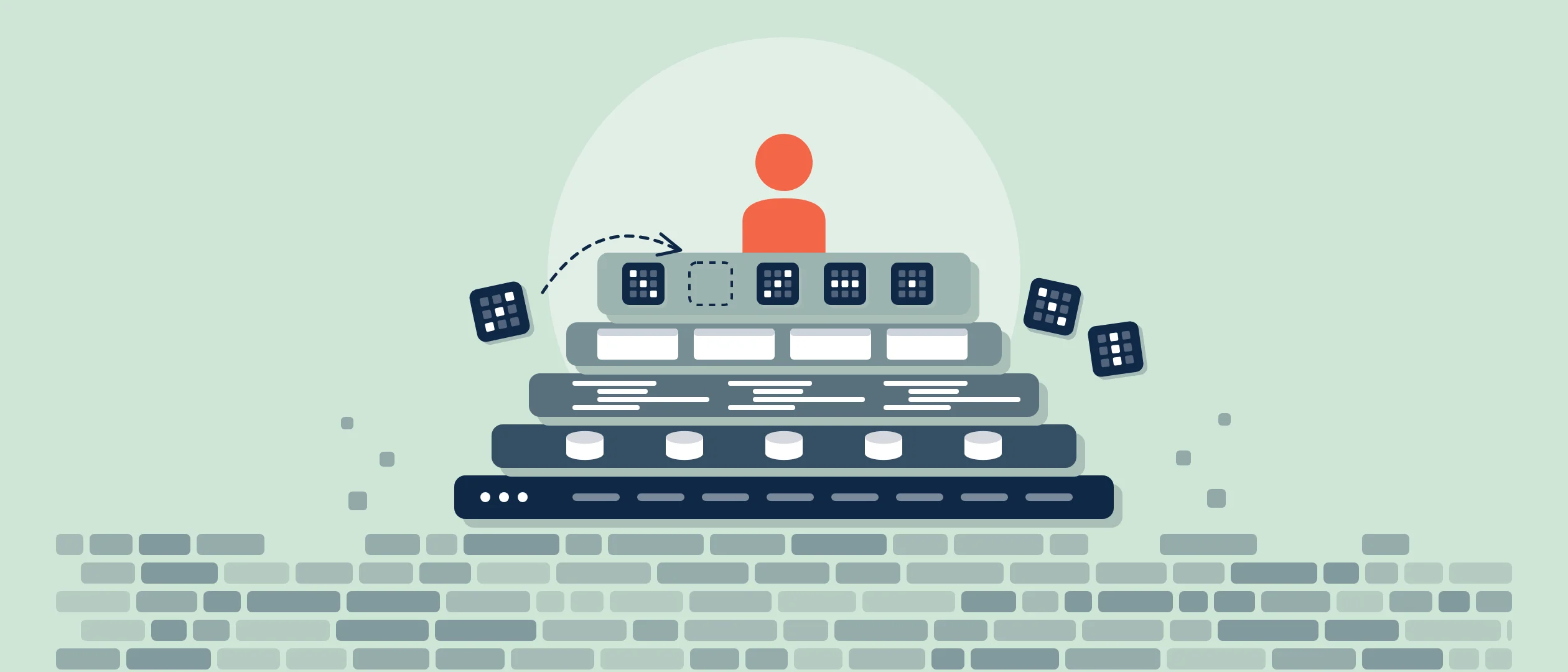
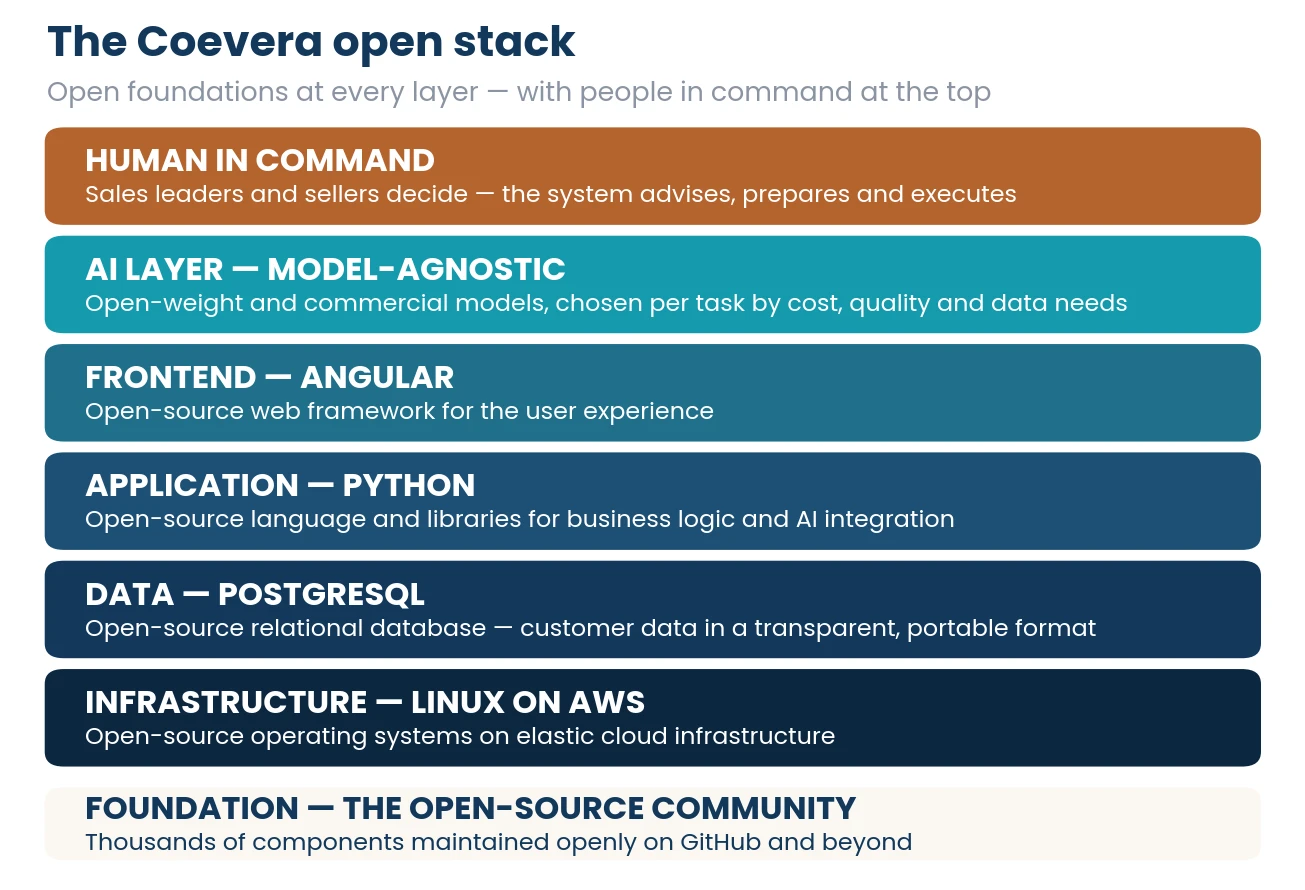
Coevera did not discover open source because of AI. Open source is the ground we stand on, layer by layer:
- Infrastructure: our servers run on open-source Linux operating systems in AWS.
- Application: our business logic is written in Python, one of the most widely used open-source languages in the world — and the native language of modern AI.
- Data: customer data lives in PostgreSQL, a proven open-source database, in a transparent and portable format.
- Frontend: our user experience is built with Angular, an open-source web framework.
- Community: beneath all of this sit a great many open-source components, developed and maintained in the open on GitHub and elsewhere by developers around the world.
This was a deliberate choice, and at times a hard one. We rebuilt our platform on open technologies when the proprietary path looked easier. Today that decision pays off in a way we could only partly foresee.
Why open foundations make Coevera future-proof
1. Freedom of choice instead of lock-in
A company built on one proprietary stack is tied to that vendor’s roadmap, pricing and priorities. Our open architecture lets us choose the right model for each task — open-weight or commercial — and change that choice as the market moves. When prices fall or a better model appears, our customers benefit without waiting for a vendor’s permission.
2. Cost discipline that we can pass on
The podcast made a sharp point: many businesses cannot pass premium AI costs on to their own customers. Most everyday sales tasks — summarizing a call, drafting a follow-up, qualifying a lead — do not need the most expensive model. An open, model-agnostic design lets us match each task to the right level of capability and cost.
3. Transparency and data sovereignty
Trust decides who gets access to a company’s data. Open technologies can be inspected, understood and audited. A portable open database means customer data is never locked into a proprietary format. And open-weight models open the door to AI that runs where the customer’s data is allowed to be, rather than wherever a vendor prefers.
4. The speed of a global community
No single company, however large, can out-innovate the open-source community. Improvements to Linux, Python, PostgreSQL or Angular — and now to open AI models — flow into our platform. We are not competing against that community; we are building with it.
5. A foundation that outlives any vendor
Proprietary technologies come and go. Open standards endure. Building on them means our customers’ investment in Coevera is far less exposed to the fate or strategy of any single supplier.
Open source as spontaneous order
There is a deeper reason why this resonates with me. My thinking has long been shaped by the Austrian School of Economics. Friedrich Hayek showed that the knowledge needed to run an economy is spread across millions of people, and that no central planner can gather it all. The best outcomes emerge from free, decentralized cooperation — what he called spontaneous order.
Open source is spontaneous order in software. No committee designed Linux or PostgreSQL. They grew from the contributions of countless people solving real problems. What we are now seeing in AI follows the same pattern: capability spreading outward, not staying concentrated in a few hands. A company that understands this does not fear it. It builds on it.
Where Coevera invests: the harness and the human
If the model is becoming a commodity, our effort belongs where value is created. That means the sales process itself — the structure, the logic, the pipeline intelligence and our Coevera as Code approach. And it means keeping people in charge.
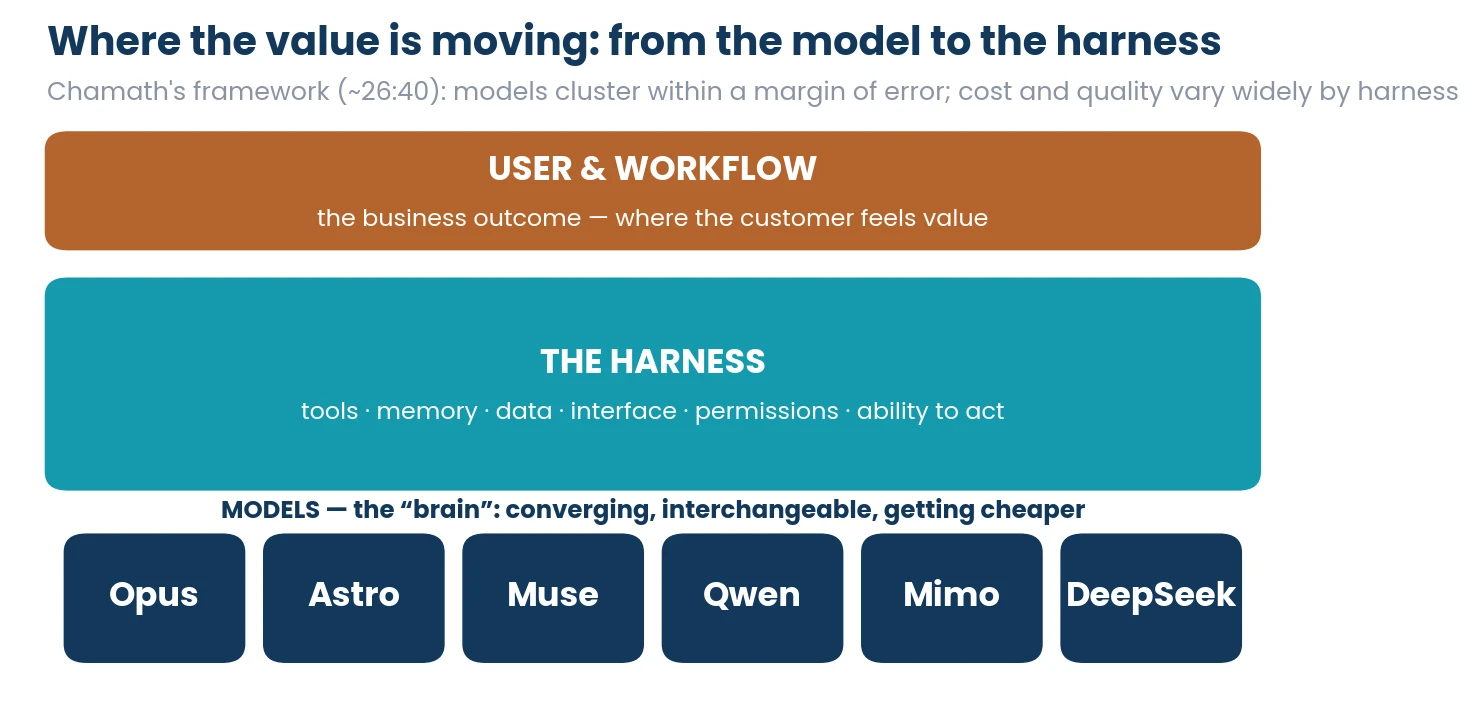
This is what we call Human-in-Command. AI should advise, prepare and execute — but sales leaders and sellers decide. The more powerful and accessible AI becomes, the more important it is that a trustworthy system keeps people in command of their relationships, their data and their judgment.
What this means for our customers
- Better AI over time, automatically: as open and commercial models improve, Coevera can adopt the best fit without a platform rewrite.
- Fair and predictable economics: AI costs matched to the value of each task rather than one premium price for everything.
- Control over data: transparent technologies, a portable open database and a path to AI that respects where your data may be processed.
- A partner aligned with the future: a platform built on the same open principles that are now reshaping the whole AI industry.
A closing thought
Open does not mean careless. Every open-source component we use is selected, maintained and secured with discipline, and responsibility for our platform stays with us. But the principle is clear. The future of AI will not be owned by a few. It will be built in the open, by many — and so will the future of selling.
Coevera was built on open ground long before it was fashionable. Now that the ground is shifting for everyone else, we are standing exactly where we want to be.
Nikolaus Kimla is the Founder and CEO of Coevera, the AI-native, Human-in-Command CRM for B2B sales organizations.
Reference: All-In Podcast, episode published 25 September 2026 (YouTube). Figures mentioned are the hosts’ own statements.