In April, on the TDX stage in San Francisco, Salesforce made the kind of announcement that reorganizes a market. They called it Headless 360, and the framing was deliberately provocative: their API is now the UI. Weeks earlier, at a Slack launch event, Marc Benioff's co-founder Parker Harris had put it more bluntly still — why, he asked, would you ever log into Salesforce again?
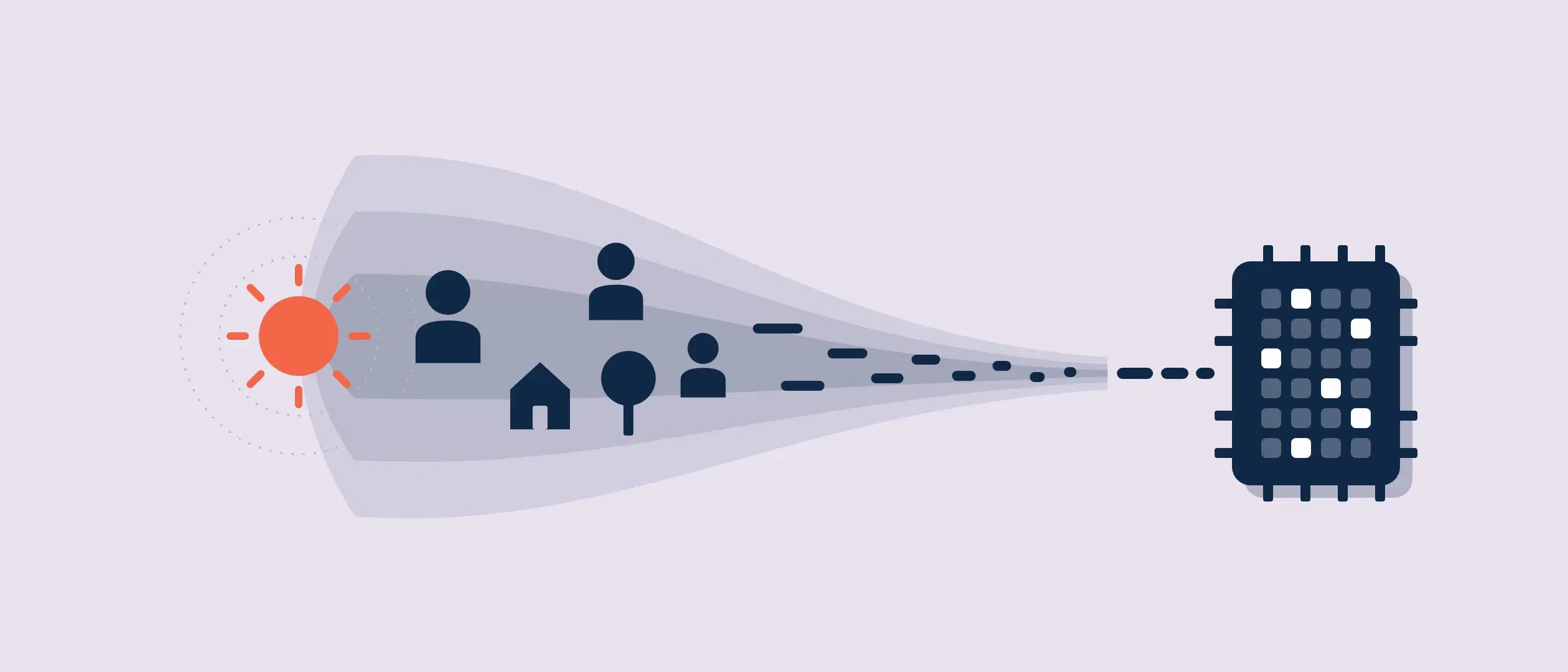
It is worth sitting with that question for a moment, because it is one of the most honest things a platform incumbent has said in years. The entire Salesforce platform — data, workflows, business logic, the security model — is now exposed as APIs, as Model Context Protocol tools, as command-line instructions. An AI agent can read a record, post an entry, trigger an approval, run a query, and never open a browser. The “head,” the screen a human clicks through, has been separated from the “body,” the data and logic underneath. The body is now addressable by machines.
I think Salesforce is right about the direction. I think they have understated what it costs them to be right.
The part everyone is getting correct
Here is the insight buried inside the announcement, and it is the one every vendor in this space is now scrambling to claim: artificial intelligence does not repair a broken data foundation. It amplifies one. An agent acting confidently on stale, fragmented, or scattered data does not give you better work. It gives you the same broken work, faster and with more conviction.
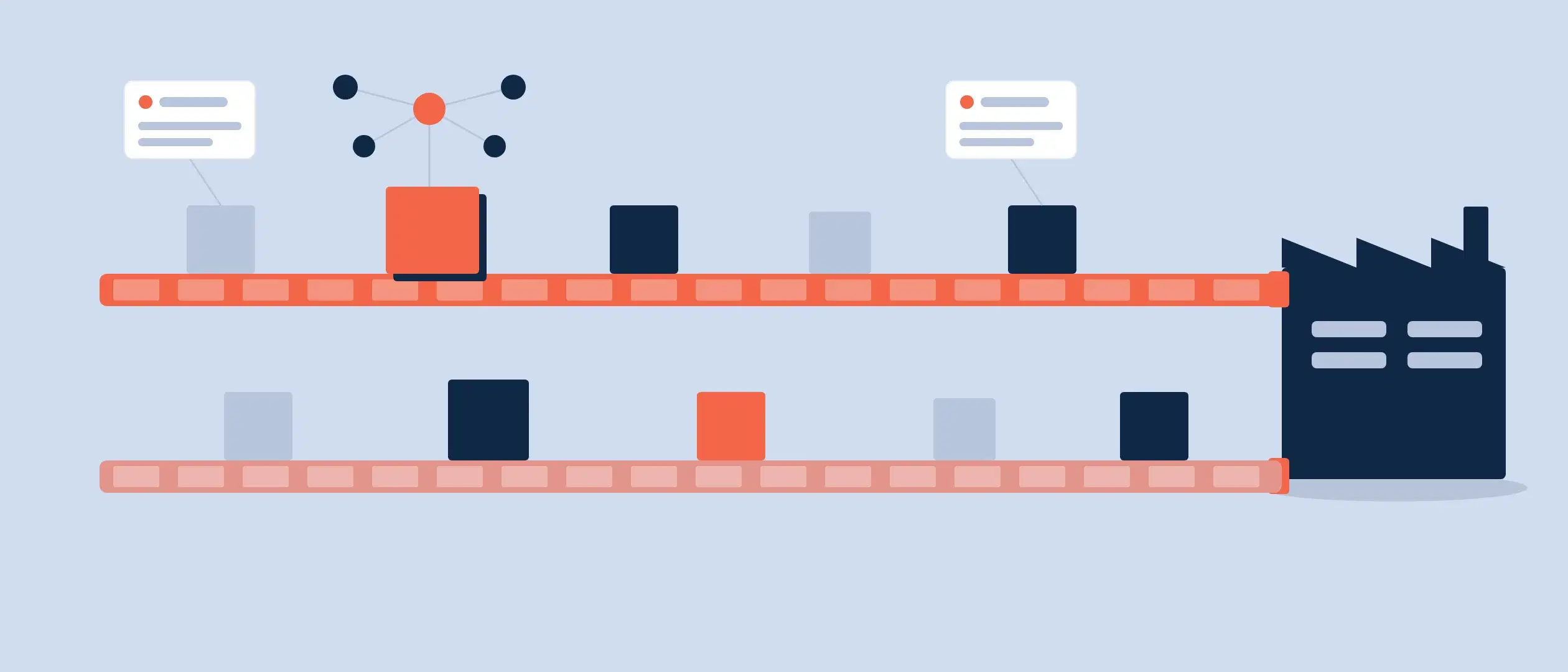
This is why “headless” is not the whole story. A headless platform exposes what lives on it. It does not reach what lives somewhere else. If your customer data is in one system, your financial data in a second, your support history in a third, and your contracts in a fourth, then the agent you are so excited about can only ever see one quadrant of your business. It will narrate the picture it can see as if it were the whole picture. That is more dangerous than no agent at all.
So the prerequisite for the agentic era is not a smarter agent. It is a trustworthy single source of truth — one place where the data is whole, governed, and ready to be acted on.
On this, I have no argument with anyone. The disagreement is about what you do with the conclusion.
The part worth arguing about
Salesforce's answer — and the answer of every product built natively on top of them — is to consolidate onto Salesforce. Bring everything onto the platform, and you inherit the headless layer for free. It is a coherent answer. It is also a dependency disguised as a convenience.
Because notice what that answer quietly assumes. It assumes you want your single source of truth to be a system you rent rather than own. It assumes you are comfortable that every agent action counts against a platform's API quota, under a platform's pricing, inside a platform's governance, subject to a platform's roadmap. It assumes that the right response to “agents are the future” is to deepen your reliance on the one vendor who just stood on stage and asked why you still bother logging in.
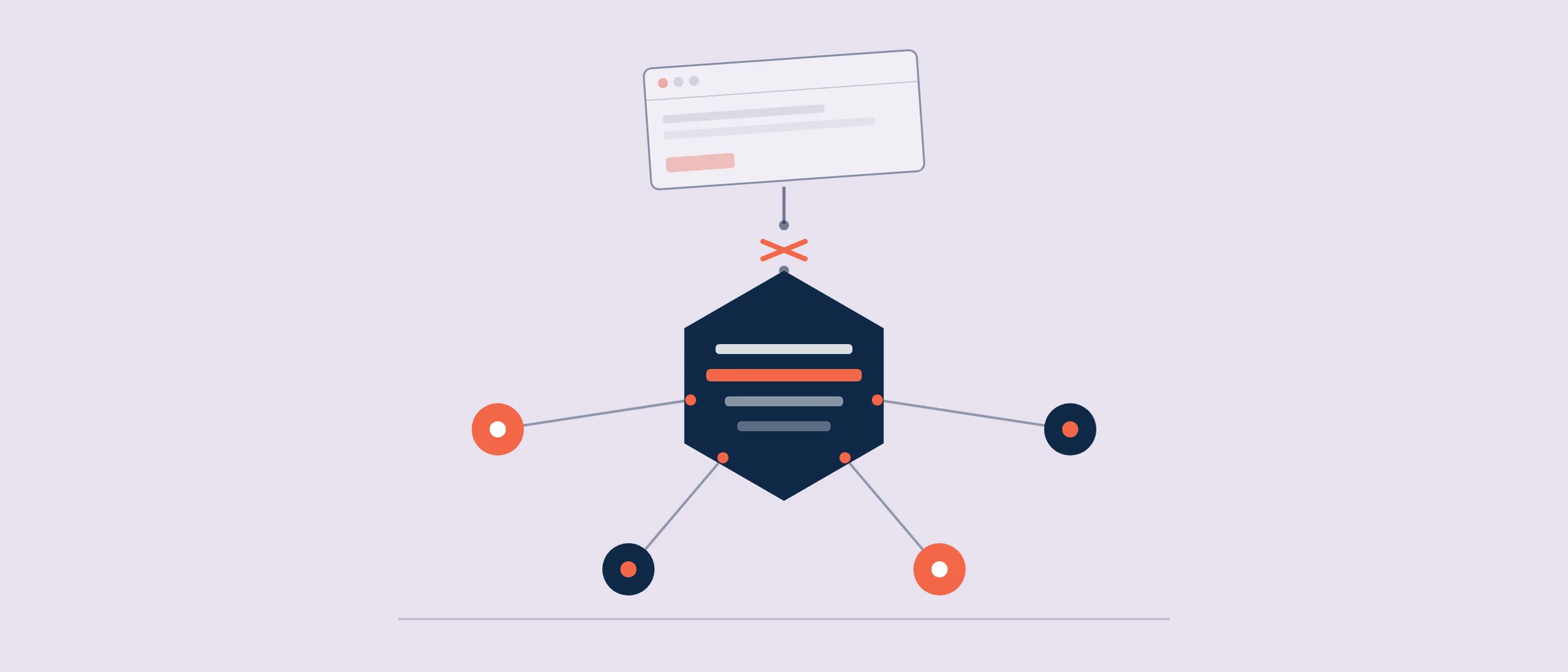
There is a different answer. It is the one we built Coevera around, and it predates the announcement that has now made it fashionable: your CRM should already be an agent-native source of truth — its own unified data layer, with its own MCP server, governed by its own security model — without being captive to anyone else's platform.
That is not a retrofit for us. It is the architecture. Our agent layer, Voyager, does not sit on top of someone else's headless infrastructure. It is the native nervous system of the platform itself. When the industry says “your CRM should be an MCP server agents can act on,” our honest reply is: yes, and ours has been one by design.
Why the incumbents cannot simply copy this
It would be easy to read Headless 360 as a threat to a company our size. I read it as the opposite. Salesforce just spent more than a quarter century of accumulated credibility telling the entire market that the future of CRM is an agent-operated source of truth that nobody logs into. They have done our category education for us.
But there is a reason the incumbent has to announce this and we simply are this. Salesforce is unwinding decades of UI-first, seat-licensed architecture, and an enormous implementation-partner economy that exists precisely to build and maintain the connectors a unified platform would eliminate. The classic innovator's dilemma applies in full: you cannot enthusiastically tell customers “you'll barely log in anymore” while your revenue is priced per login, and you cannot eliminate the integration burden when an entire partner channel is paid to maintain it. Velocity here is not a feature. It is freedom from a business model you have to protect.
What this actually changes for the salesperson
Strip away the architecture and ask what it means for the human being doing the work — because that is the only question that has ever mattered to me.
For fifteen years I have argued that the salesperson is not a cost center or a data-entry clerk. The salesperson is an entrepreneur of trust, a wealth creator, a producer of peace between buyer and seller. Everything that has kept that person typing notes into a screen instead of building relationships has been a tax on their real work.
The agentic era, done right, removes that tax. An agent that can act on a whole, trustworthy view of the customer does the routine so the salesperson can do the irreplaceable. But “done right” carries the whole weight of the sentence. An agent acting on fragmented data, governed by no one in particular, is not liberation. It is automation of the chaos. The difference between those two outcomes is decided long before the first agent is switched on — it is decided by where your data lives and who governs it.
Own your source of truth
See what an agent-native CRM looks like when the foundation belongs to you — not rented from someone else's platform.
Talk to Coevera
The question to actually ask
So when the headless headlines reach your desk, do not start with “which agents should we turn on?” Start with three quieter questions.
Where does your customer truth actually live — one place, or four? When an agent acts on that data, whose security model and audit trail is it operating under? And is your source of truth something you own, or something you rent from the same company now asking why you bother logging in?
The agentic future is not in doubt. What is still open is whether you enter it as an owner of your own foundation or a tenant on someone else's. We made our choice a long time ago. Win together — but win standing on ground that belongs to you.