Automatizer is our new, groundbreaking feature within Coevera. It has a broad positive impact on business today and into the future. Traditionally, company growth has followed a regular trend. For example, as the staff grows within an organization, you need someone responsible for maintaining all laptops and devices. That would be IT.
If your company isn’t automated, rapid growth can only mean adding more and more people. For that, you need office space furnished with desks and chairs. Staff need some infrastructure, too, such as break rooms with kitchen facilities, and free coffee and water. Some startups have gone totally overboard with wildly designed environments, color-coded t-shirts, game rooms, and other elements designed to make the staff feel entitled.
We can clearly see, though, that this trend has completely disappeared. Not only because of COVID-19 (though that was certainly a contributing factor), but also because of automation, we no longer need most of these extravagances. A fantastic example, one I give often, is Amazon. This is a company that largely operates on automated processes, and it’s now the most successful company on the planet, with its CEO being the richest man in the world.
Today, many aspects of company structure can be automated, providing enormous cost savings. Many departments become less important when you have a real digital automation structure.
One critical area where automation can have a significant impact is in payroll management. Retail payroll software automates the entire payroll process, reducing the need for manual oversight and minimizing the risk of errors. This not only cuts down on administrative costs but also improves accuracy, ensuring timely and correct payments for employees, which directly contributes to operational efficiency.
All of this breaks down into unbelievable changes in 4 major areas:
1. People versus technology. I often find myself arguing with anyone who says “technology sucks.” The fact of the matter is that technology is never a problem. Technology is constant, while people are complex and ever-changing. I believe that if we examine the last 8 months, we’ll clearly see that technology has not been the problem, but human beings have.
In practice: The author introduces 'sales yield' — the time it takes a salesperson to become productive — and turns it on managers too, asking whether someone who only manages, rather than producing revenue, may be costing the company more than they earn as growth piles on management layers.
Human beings are unpredictable. You never quite know what they’re going to do. They get sick. They take unexpected vacations. You never know how loyal they are—you build a relationship with them, but one day they are gone.
Sometimes the knowledge of the job disappears with them. For example, a banker at a private bank can build strong relationships with customers. The question is, are people more aligned with that banker or with the bank itself? The fact is that you can bank anywhere. If that banker moves on, they may take customers with them.
Building a structure with human beings, as we can see, is tremendously costly.
2. Budget considerations. Before you build this structure, you must budget out the financial resources required for hiring, educating, and onboarding. In sales, we talk about “sales yield,” which is the time it takes for a salesperson to become productive.
As you grow, you need layers of management. A pointed question could be asked about a manager: in addition to managing, are they also producing revenue? That person might be costing the company more than they’re earning.
3. Internal conflict. As a company grows, more internal conflicts can occur.
I’m not saying such conflicts are impossible to manage—otherwise, why would we have so many large companies? Of course, when we examine demographics, most US companies are small or medium-sized.
4. Focus. A company is constantly focusing on product innovation, marketing, and sales. As they do so, they are learning. The more lessons learned, the more efficient the company becomes. From efficiency comes productivity, and from productivity comes profitability.
If a company becomes more productive with fewer staff, payroll, vacation, and sick pay costs decrease. The company is also far more profitable. And that is where real automation is leading—higher productivity and profitability without the human risk involved. Conversely, the more human error involved, the greater the decrease in company performance. That also means a decrease in profitability.
Once more, the best example I’ve ever seen of fewer staff, automation, and outstanding profitability is Amazon—something they’ve achieved in just 25 years. It’s incredible to think that, for years after the company was founded, it was ridiculed and said that Amazon would never turn a profit. Look at them today.
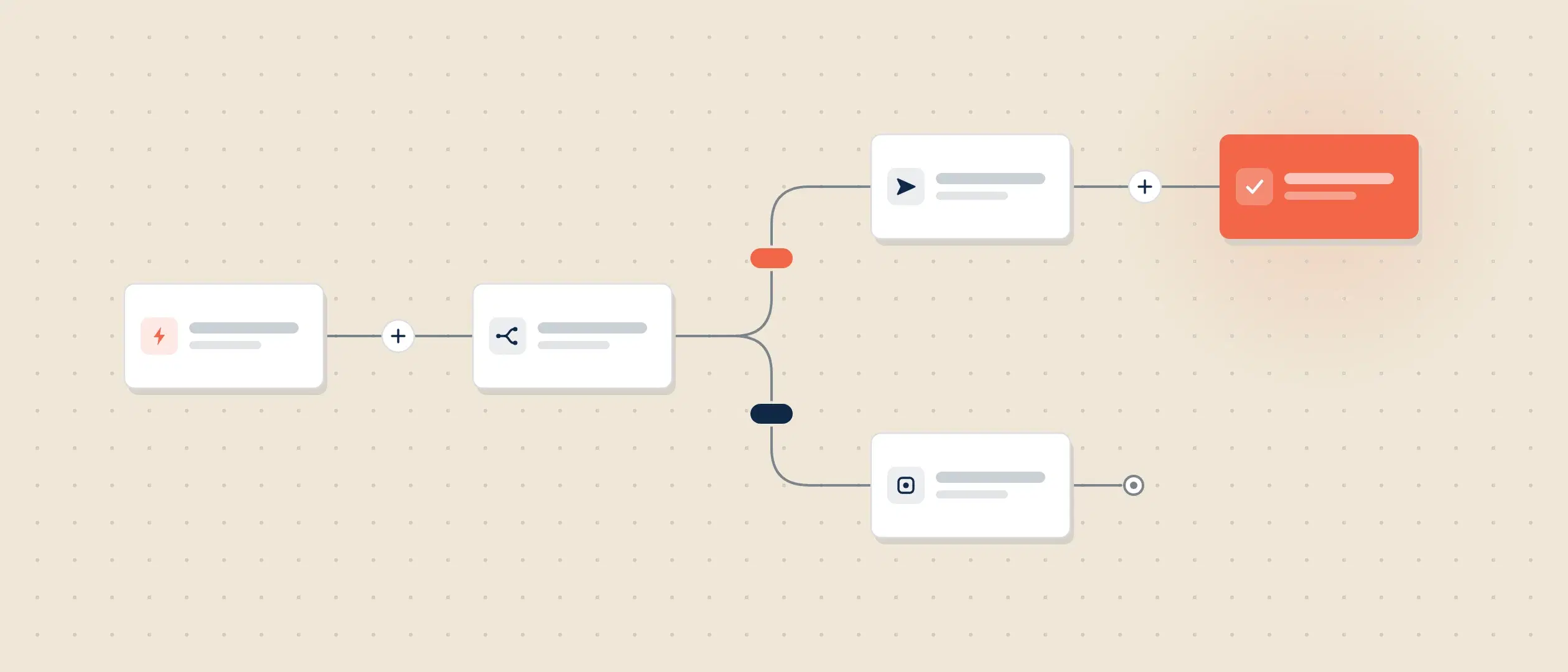
This is precisely the direction in which we’re heading with Coevera’s Automatizer feature. Within our company alone, we’ve evolved hundreds of processes with Automatizer that we can instantly put to work. Without them, he’d have to hire (or re-hire) a considerable number of employees. We have significantly increased company productivity and greatly reduced risk and costs.
Guess what? With Automatizer, so can you!