By
History is full of battles won or lost on the quality of intelligence. In 1876, General Custer relied on outdated reports of weak resistance at the Little Bighorn, dismissed his scouts' warnings and led the 7th Cavalry to a crushing defeat. In the Second World War, Allied codebreakers who cracked the German Enigma cipher gained intelligence widely credited with shortening the war.
Good intel wins. Bad intel is fatal.
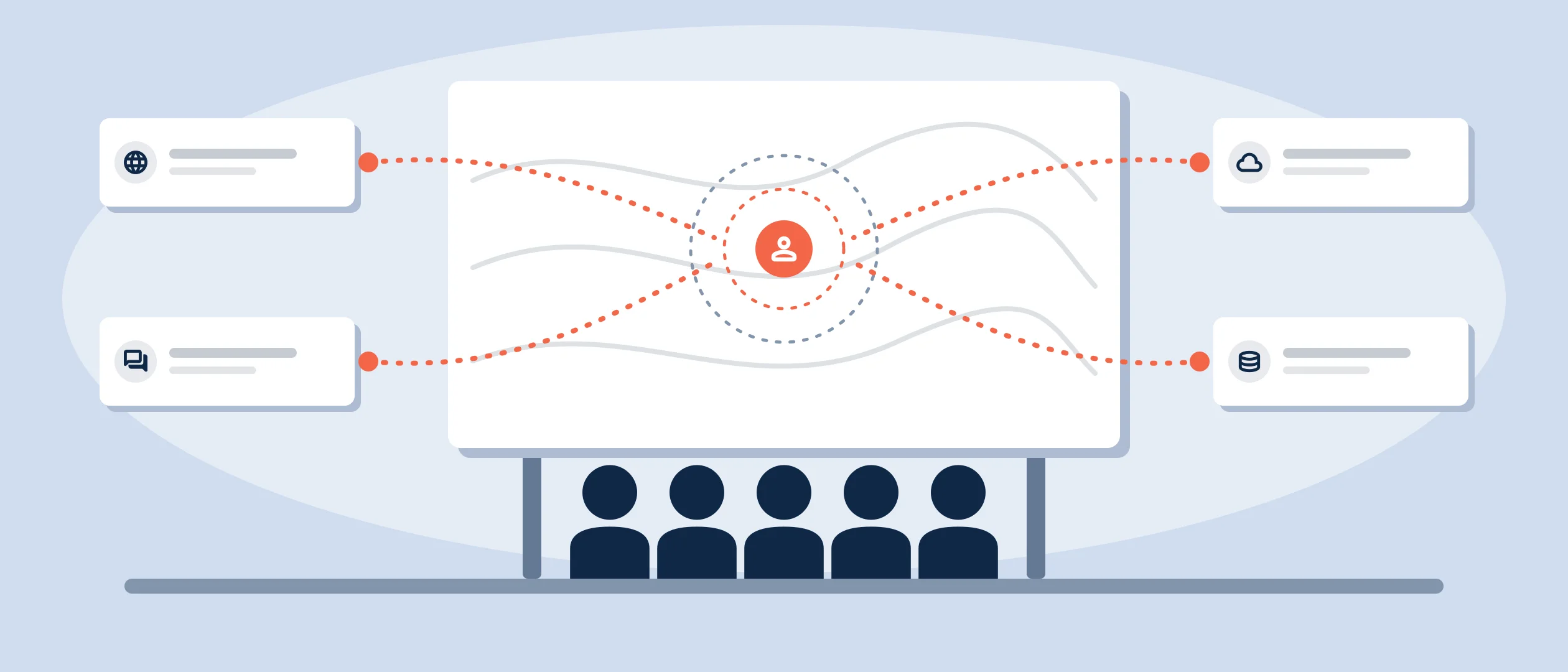
Today, companies need not be victimized by bad intel, because valuable insight is available from numerous sources.
— Nikolaus Kimla, Leading from the War Room, 2014
What is "intel" in sales?
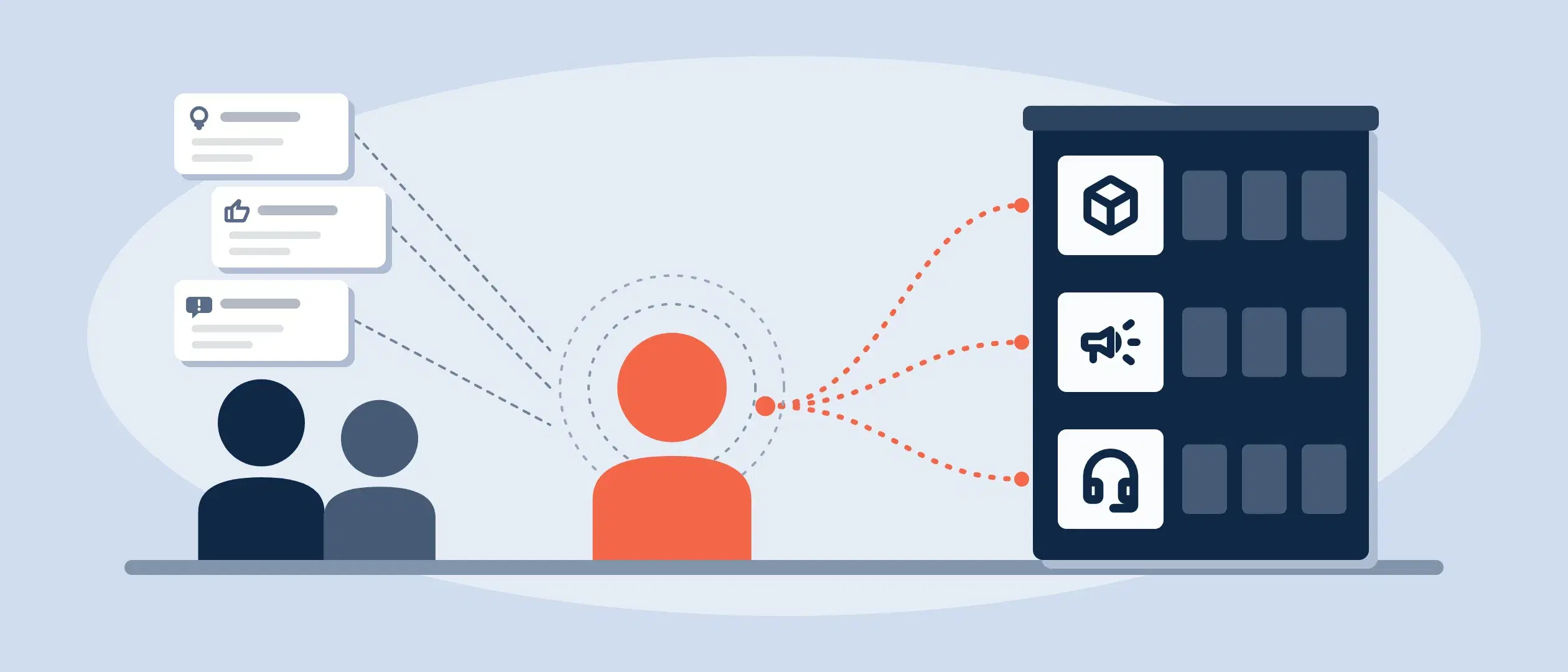
For a sales force, intelligence is knowing what your product or service can deliver based on what prospects actually need, want and struggle with. It is clues to their pain points.
Not long ago, this kind of insight came at a premium. Formal market research was expensive, so many companies relied on second-hand reports from the field, heavily "interpreted" analyst publications — or, most often, gut instinct. Businesses have repeatedly invested heavily in products and campaigns built on hype rather than evidence, and paid the price.
Today, nobody needs to be a victim of bad intel. Valuable insight is available from many sources at a fraction of the old cost. Every rep can use it — and those who don't will be left behind in the trenches.
Source 1: The web
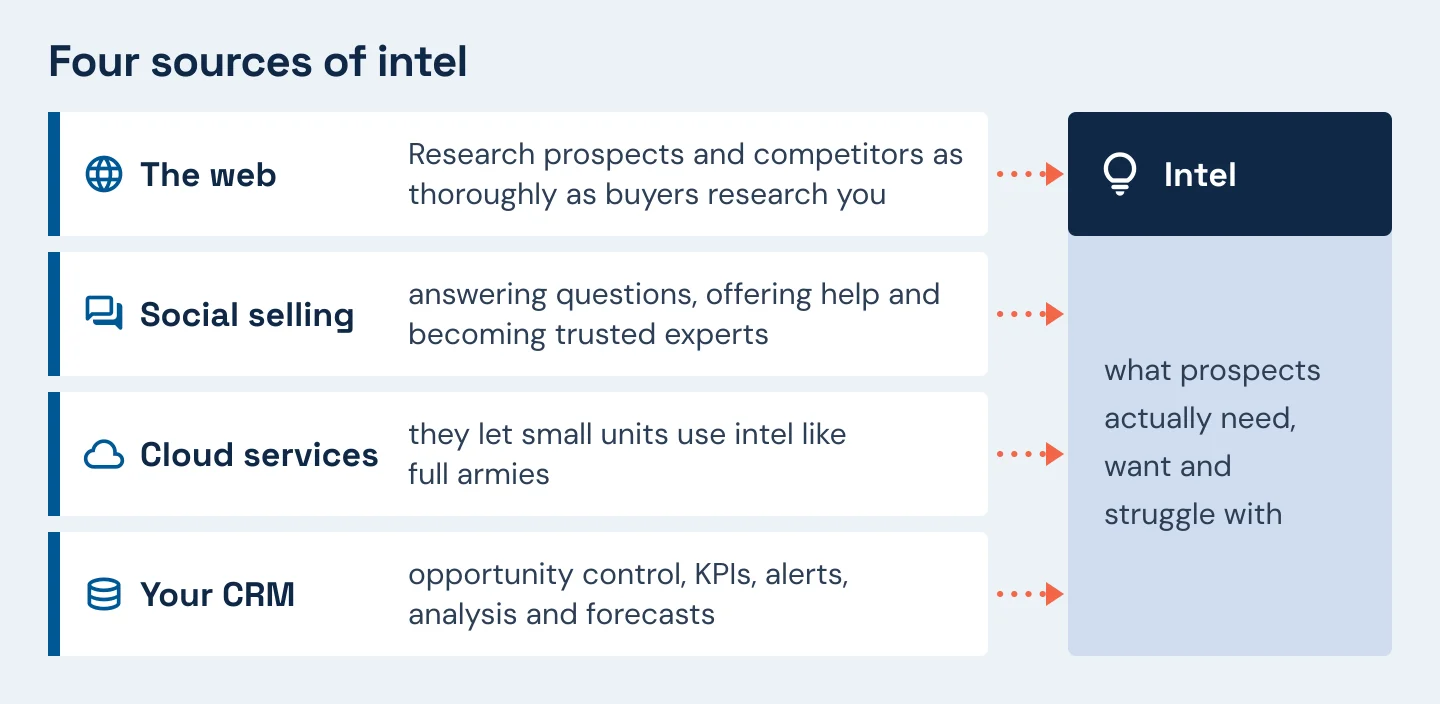
Buying patterns have changed: by most estimates, the majority of the buying journey is complete before a salesperson gets involved. Buyers study your website and your competitors', read comparisons and reviews — and now ask AI assistants to summarize the options.
You can do the same in reverse. Research prospect companies, their position in their industry and market, and their key people. Research your competitors: what they're promoting and how they position themselves. You should know at least as much about the competition as your prospects do — preferably more.
Source 2: Social selling
Your prospects are on LinkedIn, in communities, on blogs and other platforms — sharing their thinking, revealing their pain points and looking for expert advice. Your reps should be there too: answering questions, offering help and becoming trusted experts. Instead of pitching, they build relationships that pay off for years.
This can be a cost-effective source of leads, and the key to winning territory from competitors. Reps can also map prospects' networks and earn introductions to new contacts.
Follow the competition. Follow competitors on social channels to see their strategies and innovations — and sometimes to see an attempt to steal one of your deals coming.
Through and beyond the sale. Social selling doesn't end at prospecting. During the deal and after the close, customers keep talking about you. Stay engaged, solve issues and answer questions. Post-sale relationships drive repeat business, referrals and advocacy — and word of mouth produces the highest-quality leads there are.
Source 3: Cloud services
Governments spend fortunes gathering, organizing and analyzing intelligence. Companies do the same through Sales and Marketing — yet too many organize their data haphazardly and sell to their database in a hit-or-miss way.
Large companies once had a decisive advantage: expensive precision tools for analyzing data. Cloud services changed that. Affordable tools now let reps track email responses, measure social influence, personalize outreach at scale, and analyze data so sales and marketing effort is far more cost-effective. Cloud services are the great equalizer — they let small units use intel like full armies.
Source 4: Your CRM
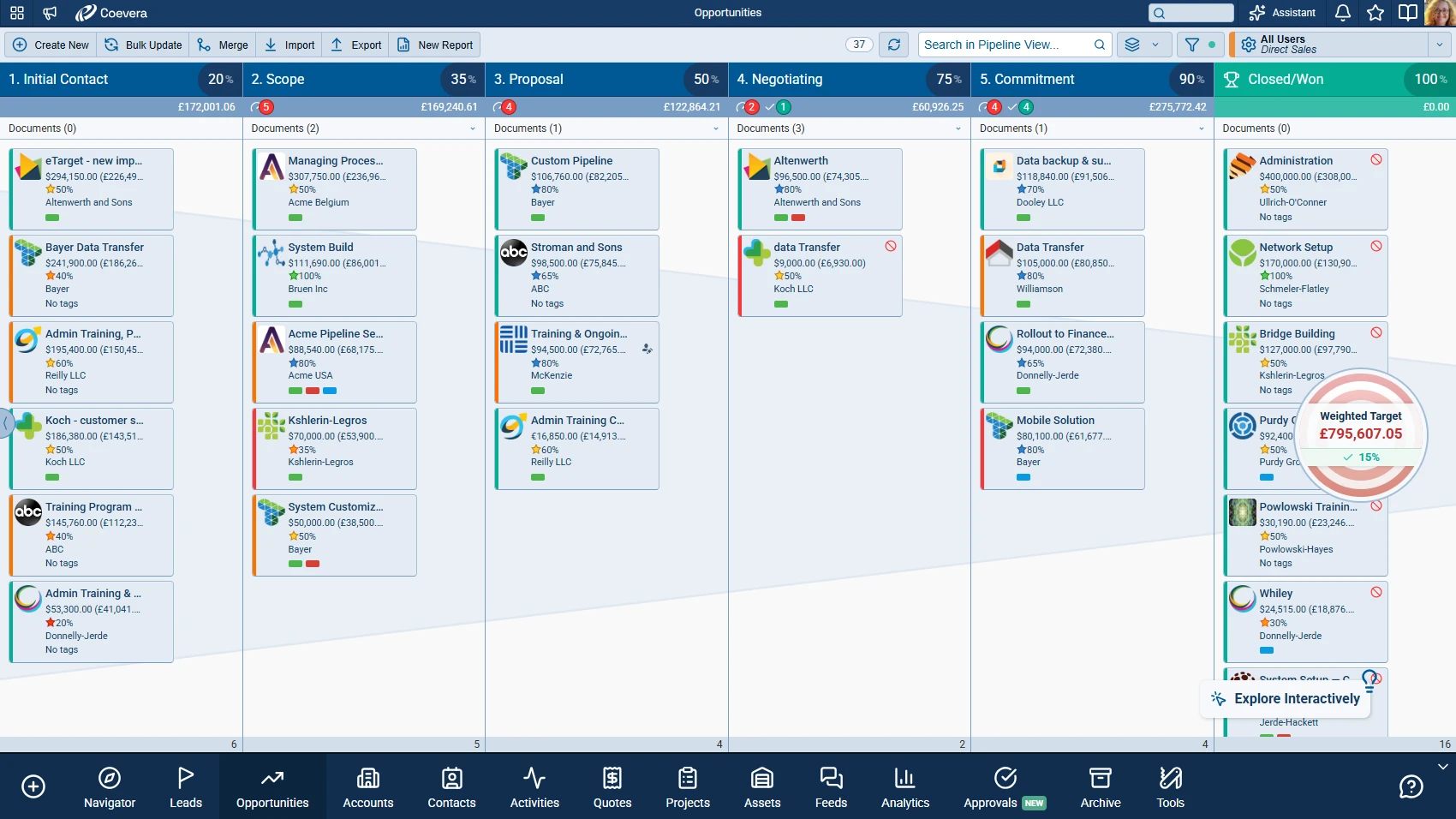
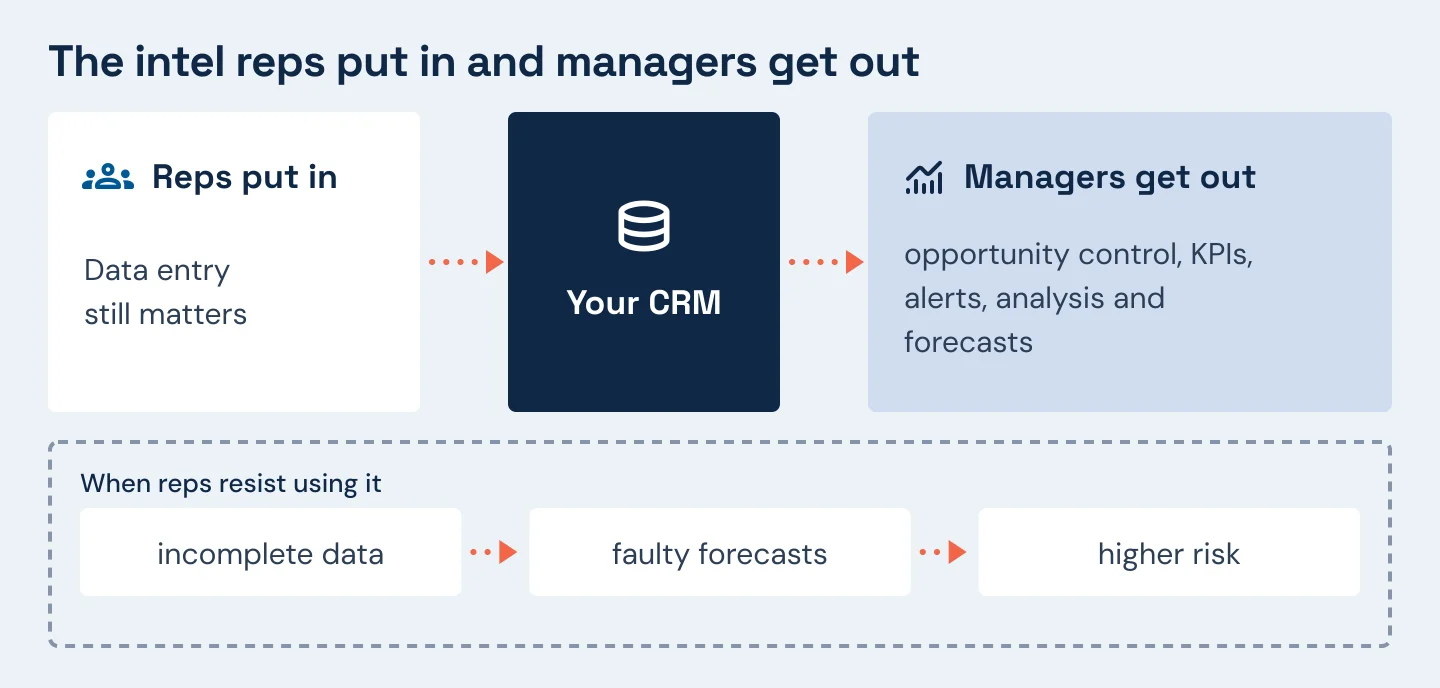
The CRM is perhaps the most important intelligence tool of all. Data entry still matters, but the emphasis has shifted to what you can get out of it: opportunity control, KPIs, alerts, analysis and forecasts.
Traditional CRMs have been weak here — and reps have resisted using them fully. The result can be incomplete data, faulty forecasts and higher risk. As sales manager, make sure your CRM is up to the job, that reps actually use it, and that it delivers the insight you need to move deals forward. This is the core of how Coevera is designed: a CRM sellers want to use, because the intel is only complete and trustworthy when they do.
Lead them to victory
Leading well-trained troops to victory today means making them competent with every tool of modern sales: the web, social media, cloud services and CRM. Give them instant access to high-value intel, and they will outmaneuver the competition.
Next in the series: The Skill of Leadership.
Adapted from the Coevera e-book Leading from the War Room: Building a Battle-Ready Sales Force by Nikolaus Kimla. Download the full e-book at coevera.com.